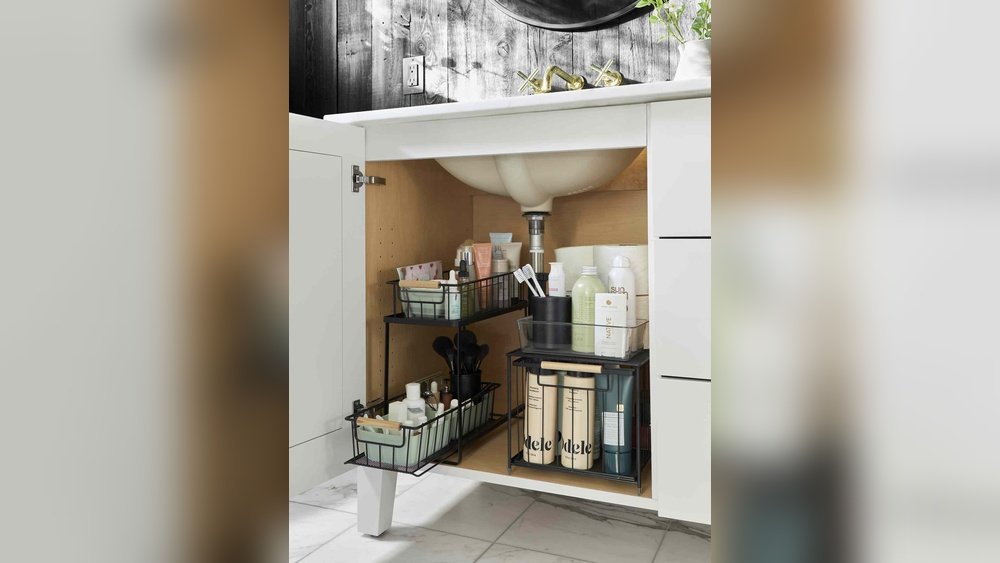
A clean, well-organized bathroom feels relaxing and easy to use. But for many people, the bathroom cabinet quickly becomes a messy space full of half-used products, tangled hair tools, and forgotten items. The truth is, a cluttered cabinet wastes time, makes cleaning harder, and can even be a safety risk if you store medicine or sharp tools.
If you want to change your bathroom from stressful to soothing, it starts with how you organize your cabinets.
This guide will show you practical, step-by-step tips for sorting your bathroom cabinet—no matter how big or small it is. You’ll learn how to group items, use smart storage tools, keep everything tidy, and even maintain your system over time.
Whether you live alone or share a bathroom with family, these tips will help you create a space that looks good and works even better.
Understanding Your Bathroom Cabinet Space
Before you buy any baskets or start tossing things out, take a close look at your cabinet’s size, layout, and shelves. Some cabinets have deep shelves, others have only a small space under the sink. Notice if you have fixed or adjustable shelves, or if you can add organizers inside. If your cabinet is very shallow, you’ll need different solutions than someone with lots of space.
An often overlooked tip: measure the height between shelves and the depth of your cabinet. Many people buy storage bins that don’t actually fit. Use a tape measure and write down the numbers before you shop.
If you share the bathroom, consider how many people use each area. For example, you may need to dedicate a shelf to kids’ items or create a “his and hers” split.
Declutter: The Essential First Step
It’s impossible to organize clutter. Start by emptying everything out of the cabinet. Lay all items on a towel or the bathroom floor, so you can see what you have.
- Throw away expired products: Many people keep old medicine, sunscreen, or makeup. These can lose effectiveness or even become unsafe.
- Get rid of duplicates: You don’t need three almost-empty bottles of lotion. Combine what you can, toss the rest.
- Donate unopened items: If you have new, unused toiletries you won’t use, consider giving them to a local shelter.
- Check for broken tools: Toss out razors with rust, broken hairbrushes, or old toothbrushes.
This step can feel overwhelming, but it’s the most important. After decluttering, you’ll know exactly what you need to store.
Group And Categorize Items
Now, sort your remaining items into categories. This makes it easier to find what you need later and keeps the cabinet tidy.
Common bathroom cabinet categories include:
- Daily essentials (toothpaste, deodorant, face wash)
- Hair care (shampoo, conditioner, brushes)
- Skin care (lotions, sunscreen, face masks)
- First aid and medicine
- Feminine hygiene products
- Shaving supplies
- Cleaning products
- Backup supplies (extra toilet paper, unopened soap)
If you have a large family, you might want to make a small basket for each person’s personal products. This helps avoid confusion and mix-ups.
Choose The Right Organizers
Storage bins, trays, and containers are the secret to a well-organized cabinet. But not all organizers are created equal. Here’s a comparison of common organizing tools and their best uses:
| Organizer Type | Best For | Drawbacks |
|---|---|---|
| Clear plastic bins | Grouping small items, visibility | May slide easily on slick shelves |
| Drawer dividers | Separating makeup, tools | Only work in cabinet drawers |
| Lazy Susan (turntable) | Easy access to back of shelves | Takes up more space |
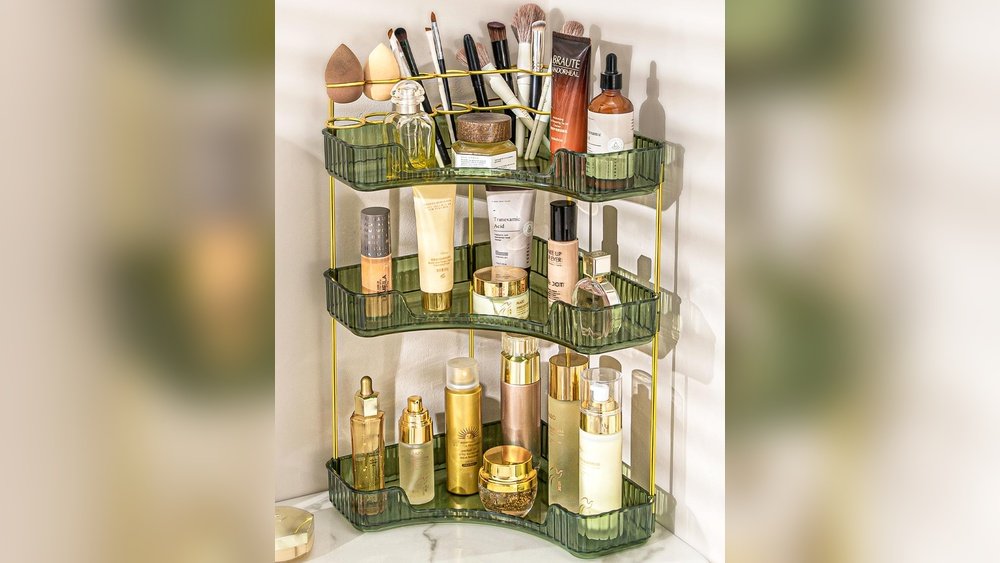
| Stackable shelves | Doubling vertical space | May not fit all cabinet heights |
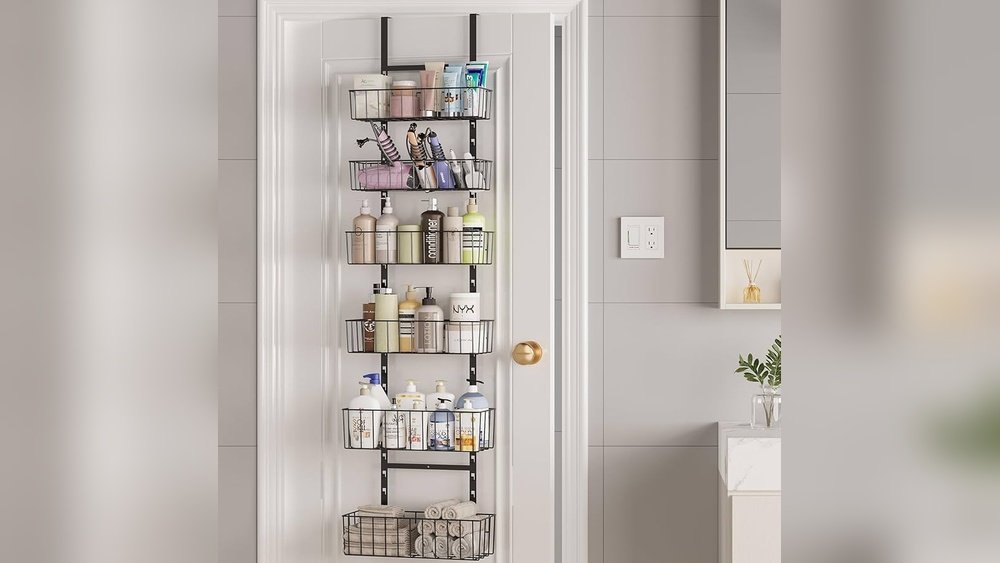
| Over-the-door racks | Using door space for extras | Can block door from closing fully |
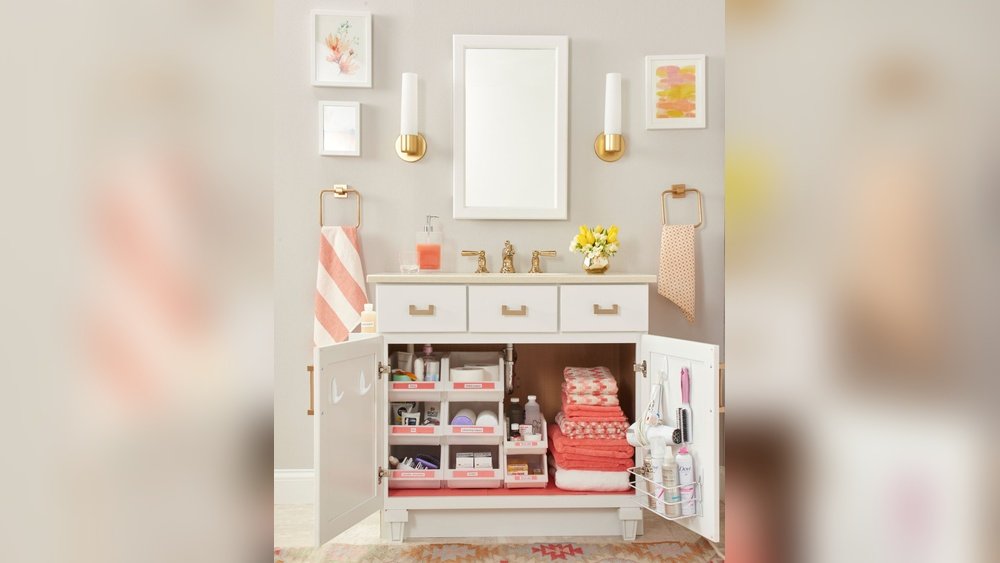
Choose organizers based on your categories and the size of your cabinet. For most people, a mix of small bins and one or two stackable shelves works well.
Credit: www.thehappyhousie.com
Arrange By Frequency Of Use
Put the items you use most often in the easiest-to-reach spot. Less-used items can go toward the back or higher up.
For example:
- Everyday face wash and toothpaste: Front and center
- Extra razors or backup shampoo: Back of the cabinet or higher shelf
- First aid kit: Top shelf, out of reach of small children
This small change saves you time every morning and helps keep the cabinet organized.
Label Everything
Labels are not just for perfectionists. When each bin or shelf has a simple label (like “First Aid” or “Face Care”), everyone who uses the bathroom knows where things go. Labels also make it much easier to put items back in the right place.
You can use a label maker, sticky notes, or even masking tape and a marker. For shared cabinets, color-coded labels work well (one color per family member).
:strip_icc()/medicine-cabinet-organization-0a9b8d96-1d33ce78253e4ec68396bc17f49973a3.jpg)
Credit: www.bhg.com
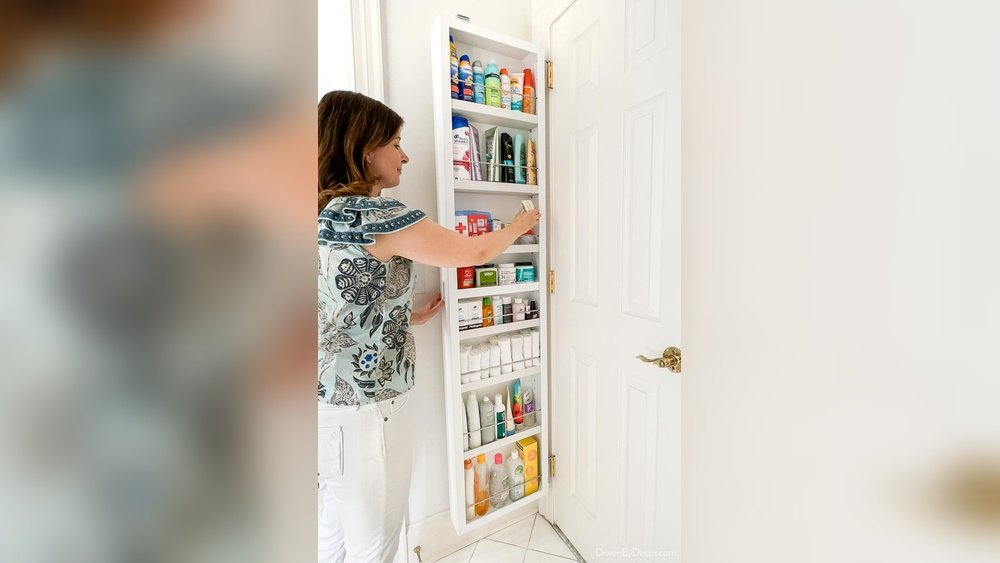
Use Vertical Space And Cabinet Doors
Many people forget about the vertical space in bathroom cabinets. If your cabinet is tall, add a shelf riser to create another level for stacking items.
Cabinet doors can also offer extra storage. Attach small bins, hooks, or adhesive organizers to the inside of the door. This is perfect for:
- Hair ties and clips
- Toothbrushes
- Cleaning sponges
- Small tubes or bottles
Just be sure the door still closes easily.
Store Like Items Together
Keeping similar items together is a basic organizing rule, but it’s often ignored in busy homes. For example, if you keep all hair products in one bin and all first aid supplies in another, you won’t lose track of what you have.
Here’s a good way to group items:
| Category | Examples | Storage Suggestion |
|---|---|---|
| Oral Care | Toothpaste, floss, mouthwash | Small bin near front |
| Hair Styling | Brush, gel, hair ties | Medium bin or drawer divider |
| First Aid | Bandages, ointment, thermometer | Labeled box on top shelf |
| Skin Care | Moisturizer, sunscreen, masks | Tray or bin, easy to access |
Make Use Of Drawer Space
If your bathroom cabinet has drawers, don’t waste them by tossing everything inside. Use drawer dividers or small trays to keep items separated. For example, dedicate one section to cotton swabs, another to nail clippers, and a third to travel-size products.
A common mistake is to use drawers only for random items or “junk. ” Instead, treat each drawer as valuable real estate.
Safety First: Store Medicine And Sharp Tools Wisely
Many people keep medicine, razors, or scissors in the bathroom cabinet. To avoid accidents:
- Always store medicine out of reach of children.
- Keep sharp tools in a small, secure container.
- Avoid storing medicine right above sources of heat or moisture, as humidity can damage pills.
If you have young kids, consider a childproof lock for cabinets with dangerous items.
:strip_icc()/bathroom-storage-3d1f0505-d8f0e4b7934a458cb30e5201194068af.jpg)
Credit: www.bhg.com
Maintain Your System: Easy Habits For Long-term Success
The best organizing system is one you can keep up. Here are some habits to make sure your bathroom cabinet stays neat:
- Do a quick tidy every week. It takes less than five minutes to put things back in the right bin.
- When you buy a new product, get rid of the old one if you don’t need both.
- Wipe down shelves and bins regularly to prevent sticky residue and dust.
- Every three months, check for expired products or items you don’t use.
A non-obvious tip: set a reminder on your phone for seasonal “cabinet cleanouts.” Spring and autumn are good times to refresh your system.
Creative Solutions For Small Or Awkward Spaces
If your bathroom cabinet is very small or shaped oddly, you can still make it work with some creative tricks:
- Use stackable bins to make the most of vertical space.
- Hang small baskets or pockets on the inside of the door.
- Try slim, vertical organizers for narrow cabinets.
- Use suction hooks on the inside walls for brushes or tools.
One clever idea is to use magnetic strips (like a knife holder) inside the door for tweezers, nail clippers, or bobby pins. This keeps tiny metal items visible and easy to grab.
Eco-friendly And Budget-friendly Organizing
You don’t have to spend a lot of money to organize your bathroom cabinet. Many people use recycled containers like glass jars, old mugs, or food storage boxes to hold small items.
Eco-friendly tips:
- Repurpose sturdy boxes or tins as bins.
- Refill and reuse containers where possible, instead of buying new ones.
- Donate unused items rather than throwing them away.
For more eco-friendly ideas, check out advice from the U.S. Environmental Protection Agency.
Mistakes To Avoid When Organizing Bathroom Cabinets
It’s easy to fall into common traps. Here are some mistakes to watch out for:
- Overfilling bins: If you have to dig to find something, the bin is too full.
- Forgetting to label: Unlabeled bins quickly become junk drawers.
- Ignoring vertical space: Most cabinets have unused height—use shelf risers or stackable bins.
- Keeping too many “just in case” products: Limit backup items to one or two, not a year’s supply.
- Not measuring before buying organizers: Always check your cabinet size first.
Paying attention to these small details can make a big difference in your results.
When To Reorganize
Even the best system needs a refresh sometimes. If you notice:
- It’s hard to find things
- Bins are overflowing
- You keep buying duplicates
…it’s time to reorganize. Don’t wait until it’s a huge mess. A quick 10-minute reset every few months keeps things running smoothly.
Frequently Asked Questions
How Often Should I Reorganize My Bathroom Cabinet?
Every three to six months is a good goal. If you use lots of products or share the bathroom, you may need to tidy up more often. Quick weekly checks can help you spot clutter before it gets out of hand.
What Is The Best Way To Store Medicine Safely In A Bathroom Cabinet?
Store medicine in a labeled, sealed box on a high shelf, away from moisture and heat. If you have children, use a childproof lock or keep medicine in a separate, locked box.
Can I Use Regular Kitchen Organizers In The Bathroom Cabinet?
Yes! Many kitchen organizers—like spice racks, small bins, and drawer dividers—work well in bathroom cabinets. Just make sure they fit your space and can handle moisture.
What Should I Do With Old Or Expired Bathroom Products?
Throw away expired medicine and products, following local guidelines for safe disposal. Donate any new, unopened items to a shelter if you won’t use them.
How Can I Organize A Very Small Bathroom Cabinet?
Use stackable bins, over-the-door hooks, and slim organizers to make the most of every inch. Group similar items together and keep only the essentials in the cabinet. Store extras in another room if possible.
Organizing your bathroom cabinet may take a little effort at first, but the reward is a cleaner, calmer space that makes your daily routine easier. With the right approach, you can create a system that lasts—and you might even inspire others in your home to stay organized, too.