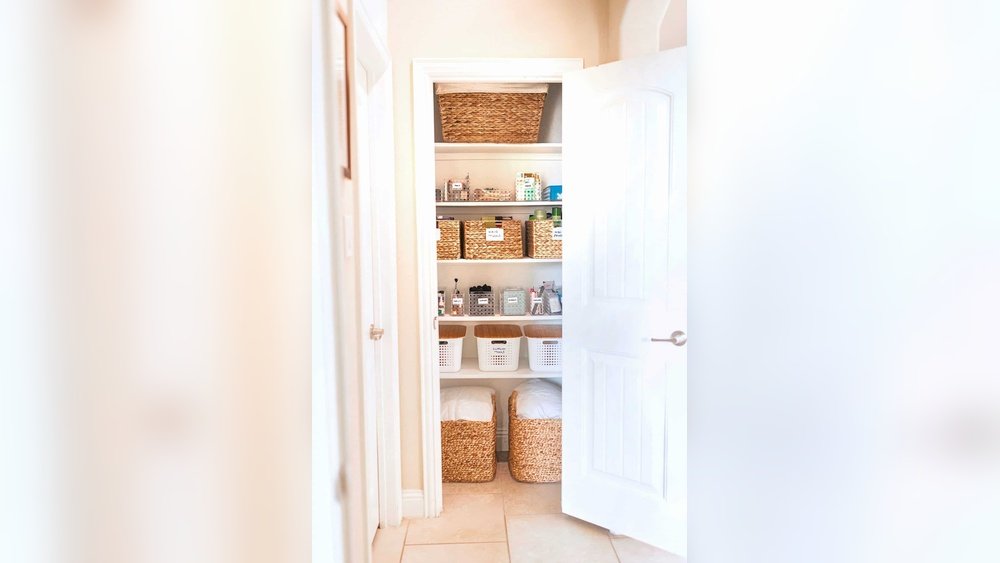
A messy bathroom closet can ruin your morning. You open the door, and items fall out. You dig for your razor, but find cotton swabs instead. Many people struggle with bathroom closet chaos, whether they have a small linen cupboard or a deep walk-in.
But with the right plan, you can turn that cluttered space into a functional and even beautiful part of your home.
Organizing your bathroom closet is more than just cleaning up. It makes your daily routine smoother, helps you avoid wasting money on duplicates, and even reduces stress. In this guide, you’ll learn how to organize your bathroom closet from start to finish.
We’ll cover sorting, storage solutions, labeling, maintenance, and clever tips to maximize every inch. Even if your closet is tiny or oddly shaped, you’ll find strategies that work.
Why Organizing Your Bathroom Closet Matters
A well-organized bathroom closet has more benefits than you might think. First, it saves time. When you know exactly where things are, you can grab what you need and go. This is important on busy mornings or during late-night emergencies.
Second, it saves money. Many people buy extra soap, shampoo, or medicine simply because they cannot find what they already have. By keeping your closet tidy, you avoid unnecessary purchases.
Third, it makes cleaning easier. Dust and spills are simpler to handle in a neat space. You can see when something leaks or if towels start to smell musty.
Finally, a tidy closet lowers daily stress. Clutter can make even a clean bathroom feel dirty. An organized space feels peaceful and helps you start and end your day with a clear mind.
Assess Your Space And Needs
Before you pull everything out, take a moment to look at your bathroom closet. Measure the shelves, check the depth, and note any odd angles or pipes. Every closet is different, and the best system fits your unique space.
Think about what you store. Some people use their bathroom closet for towels and linens. Others keep toiletries, cleaning products, and even first aid supplies. Make a quick list of your main categories. This will help you plan your storage later.
If you share your bathroom, consider everyone’s needs. Kids, guests, or roommates may use the closet differently. A good system works for all.
Clear Out And Sort Everything
Start by removing every item from the closet. Lay everything on a flat surface like a bed or table. This step may look messy, but it’s important to see what you own.
As you empty the closet, sort items into these groups:
- Keep – Things you use often and are in good shape.
- Donate – Unopened products, extra towels, or items you don’t need.
- Trash – Expired medicines, broken items, or nearly empty bottles.
- Relocate – Items that belong elsewhere, like kitchen cleaners or old paperwork.
Be strict. If you haven’t used something in six months and it’s not for emergencies, consider letting it go. Many people keep old lotions or faded towels “just in case” but never use them.
Common Beginner Mistake
A big mistake is skipping this full sort. People often try to organize around clutter, which only hides the problem. Take the time to touch every item. You’ll be surprised by what you find.
Clean And Prepare Your Closet
With the closet empty, now is the best time to clean. Wipe down shelves, corners, and any bins or baskets you plan to reuse. Use a mild cleaner to remove dust and any residue from spilled products.
This is also your chance to fix small problems. Tighten loose shelf brackets, add shelf liner, or patch up any chipped paint. A fresh, clean surface makes your organization last longer.
Plan Your Storage Strategy
Now, look at your sorted piles and the closet itself. The right storage system depends on what you use most, the size of your closet, and your budget. There’s no one-size-fits-all answer, but a few key ideas help most people.
Group By Use
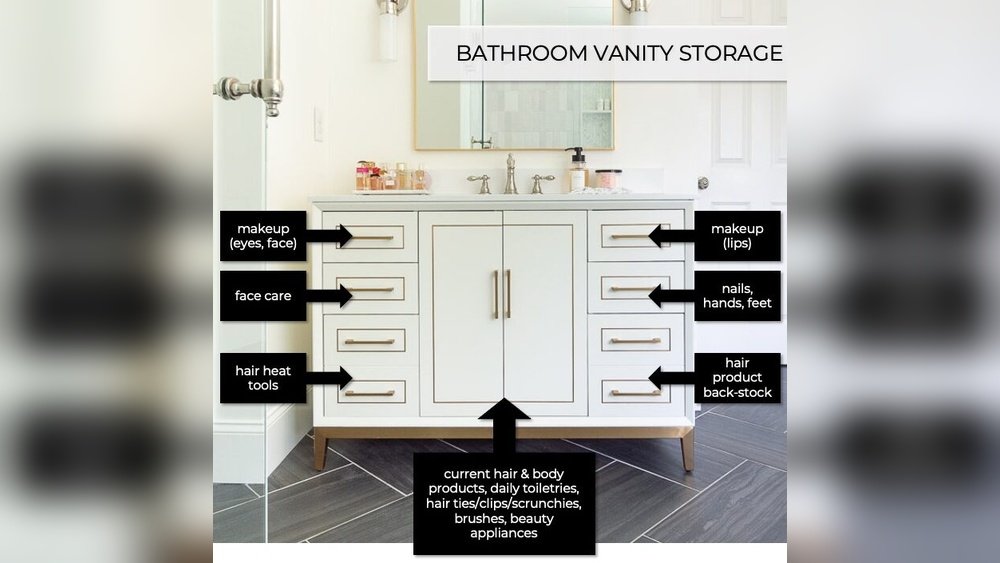
Store similar items together. For example:
- Keep all towels on one shelf.
- Group toiletries like shampoo, conditioner, and soap in one area.
- Store cleaning supplies in a separate bin, away from medicine or linens.
This makes finding things faster and prevents mix-ups.
Use Vertical Space
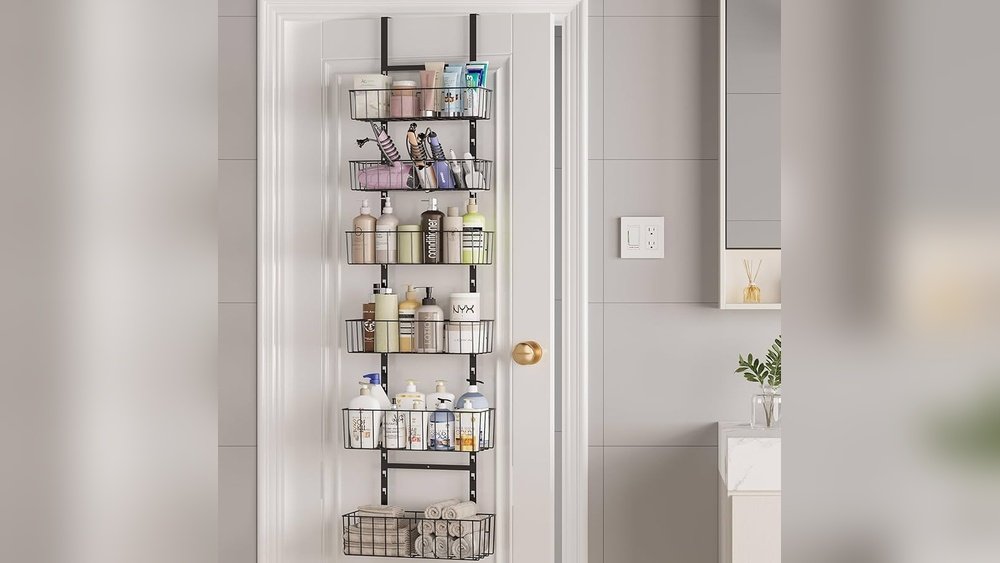
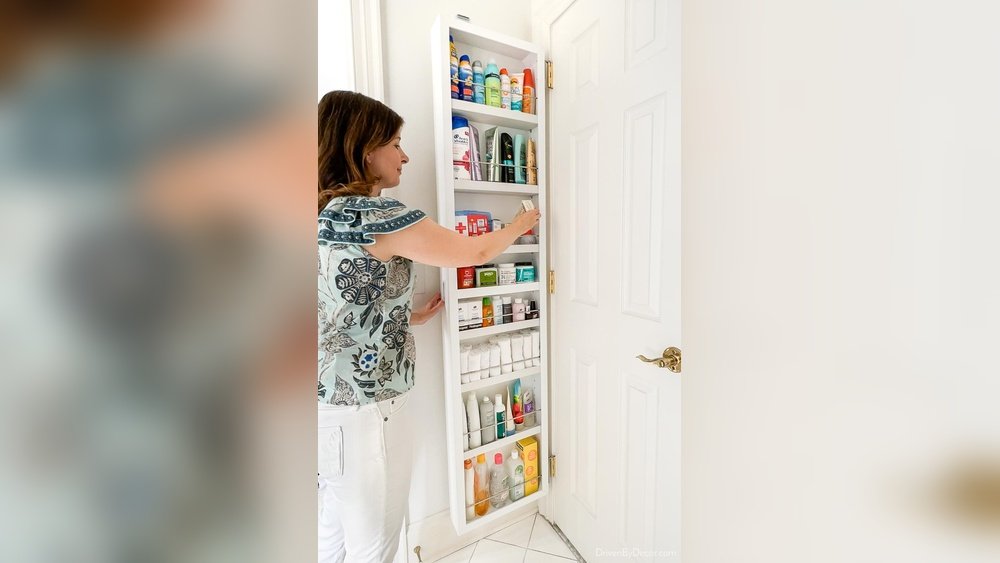
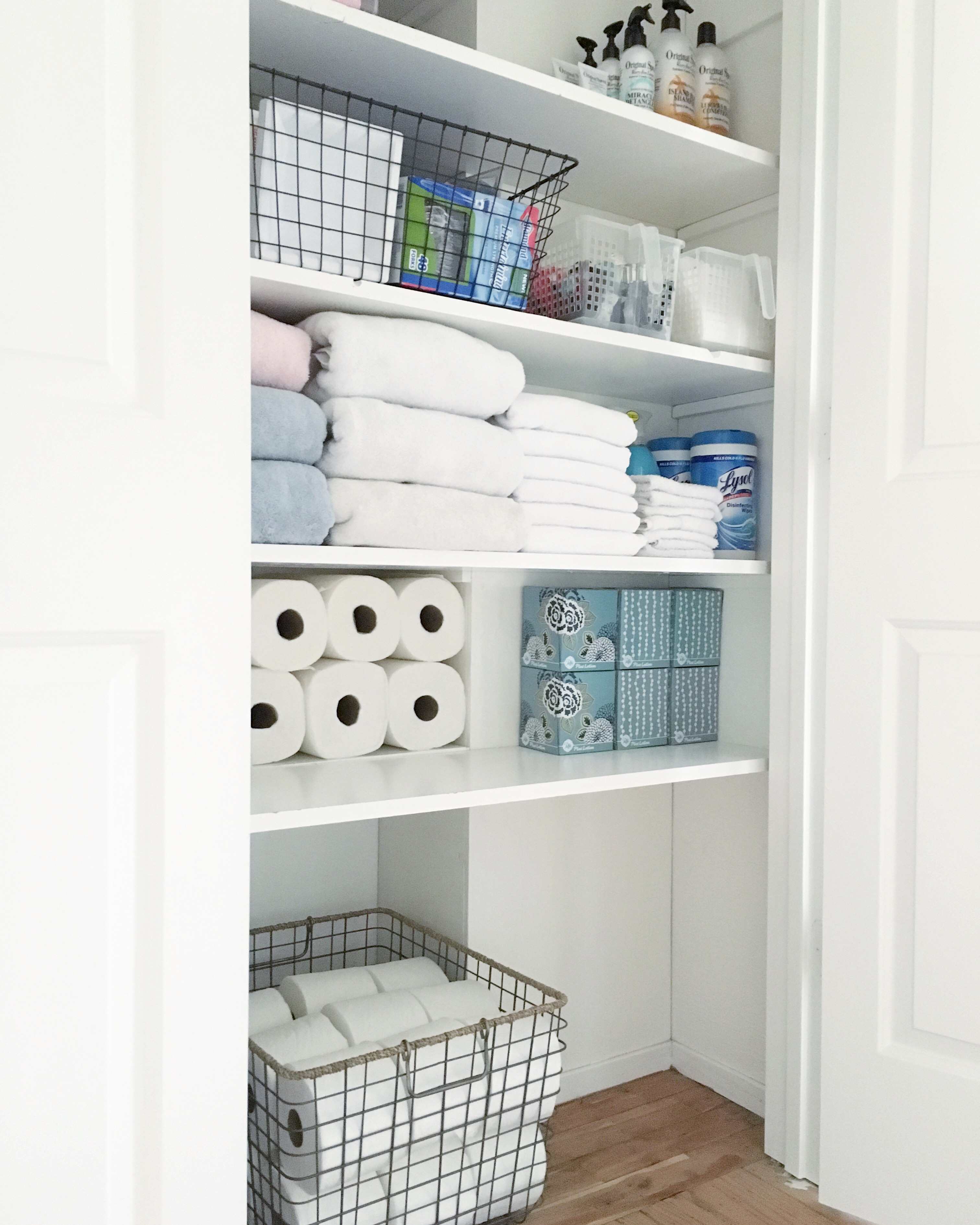
Many bathroom closets waste vertical space. Add extra shelves or stackable bins to use the full height. Consider shelf risers or hanging organizers for doors.
Choose The Right Containers
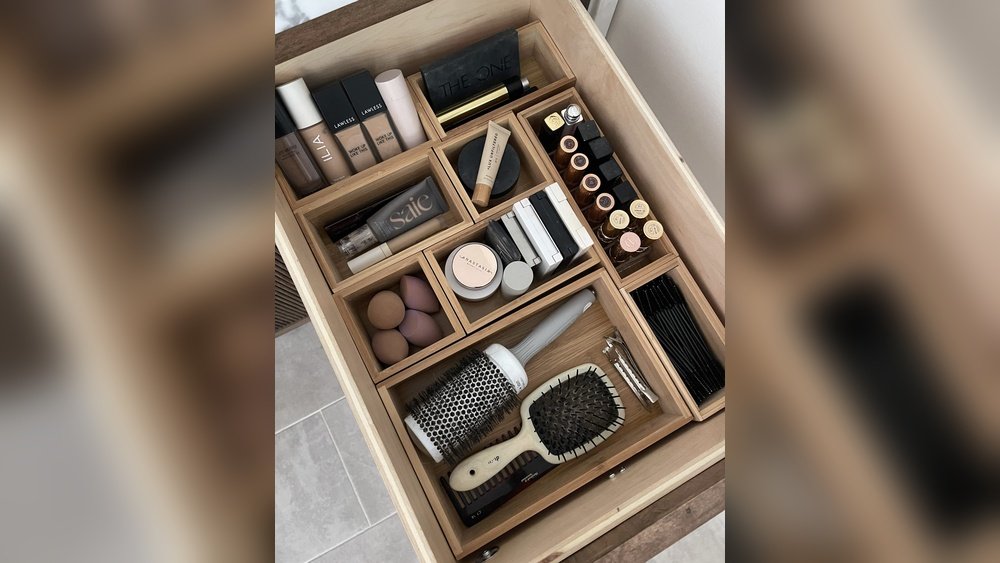
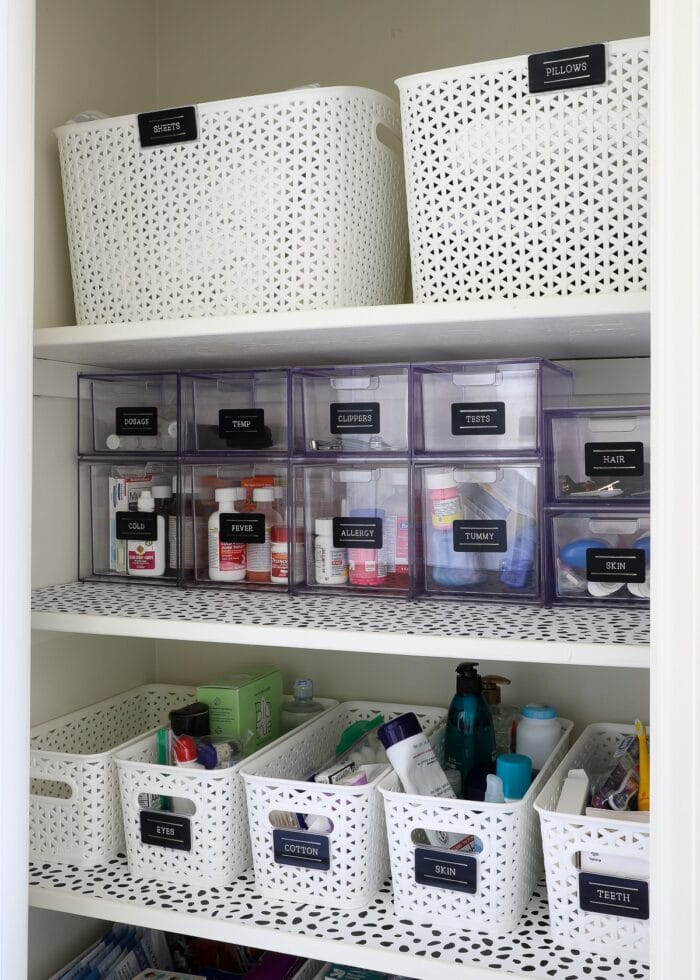
Clear bins are helpful because you can see what’s inside. Baskets work well for things like washcloths or hair tools. Use jars or smaller containers for cotton balls, floss, or travel-size items.
Here’s a quick look at different container types and their best uses:
| Container Type | Best For | Pros | Cons |
|---|---|---|---|
| Clear Plastic Bins | Toiletries, small items | See contents, stackable | Can crack over time |
| Fabric Baskets | Towels, linens | Soft, flexible | Can get damp/musty |
| Glass Jars | Cotton balls, swabs | Easy to clean, stylish | Heavy, breakable |
| Lazy Susans | Hair products, bottles | Easy access | Takes up space |
Label Everything
Labels help everyone in your home know where things go. Use simple words or symbols. Waterproof labels are best for humid spaces.
Don’t Overfill
Leave a little space in each bin or shelf. Overstuffing makes it hard to take things out and put them back. It’s better to store less and refill when needed.
Refill And Arrange Your Closet
Now, place your items back in the closet. Start with the largest items, like towels or cleaning buckets. Then fill in with smaller bins and containers.
Most-used items should go at eye level or within easy reach. Reserve higher or lower shelves for things you use less often.
Example Placement
- Eye-level shelves: Daily toiletries, first aid kit
- Lower shelves: Extra toilet paper, cleaning supplies (if safe from children)
- Higher shelves: Guest towels, backup products
If you have a deep closet, use bins with handles so you can pull them out easily. Avoid placing small items loose on deep shelves—they get lost or forgotten.
Special Storage Tips For Small Or Awkward Closets
Many bathrooms have tiny or oddly-shaped closets. Don’t worry—smart solutions exist for every space.
Use Over-the-door Organizers
Hang a pocket organizer on the inside of the closet door. These are perfect for small bottles, brushes, or rolled-up washcloths.
Add Hooks And Rods
Install hooks on the inside walls or back of the door for hanging towels, robes, or hair tools. A tension rod can hold baskets or spray bottles.
Try Pull-out Drawers
Slim pull-out drawers fit under shelves and keep small items from getting lost in the back. These are especially useful in deep or corner closets.
Organizing Towels And Linens
Towels and linens often take up the most space. Here’s how to keep them neat:
Fold Uniformly
Fold towels and sheets the same way each time. This saves space and looks tidy. Roll hand towels or washcloths to fit in baskets or bins.
Store Sets Together
Keep sheet sets inside one pillowcase, or stack towel sets (bath, hand, washcloth) together. This makes grabbing a full set fast and easy.
Avoid Overcrowding
Don’t stack towels too high. If the pile is more than 10 inches tall, it’s likely to fall over. Two short stacks are better than one tall one.
Storing Toiletries And Personal Care Items
Toiletries can get messy quickly. Use these strategies:
Use Small Bins For Categories
Group items like hair care, oral care, and skin care in separate bins. This keeps things from mixing and makes restocking easy.
Keep Expiry Dates Visible
Store medicines and products with the expiration date facing out. Check these dates every few months.
Separate Shared And Personal Items
If you share a bathroom, use color-coded bins or labels for each person’s things. This prevents confusion and saves time.
Managing Cleaning Supplies In The Bathroom Closet
Storing cleaning products in the bathroom closet is convenient, but safety is important.
Keep Chemicals Up High
Store cleaners and chemicals on the highest shelf, out of reach of children or pets. Use a secure bin with a lid if possible.
Avoid Mixing
Never store bleach near other chemicals, especially ammonia. Fumes can mix and become dangerous.
Use A Caddy
A cleaning caddy keeps sprays, sponges, and brushes together. You can grab the whole caddy when it’s time to clean.
First Aid And Medicine Storage
Many people keep medicine in the bathroom, but heat and humidity can shorten shelf life. If you must store these items here, follow these tips:
Use Airtight Containers
Keep medicines in airtight bins to reduce moisture exposure. A small silica gel packet can help absorb humidity.
Label By Use
Separate first aid supplies (bandages, ointment) from daily medicines (pain relievers, allergy pills). Use clear labels for fast access.
Check Expiry Regularly
Go through medicines every three months. Safely dispose of anything expired or unneeded.
Organizing For Families And Shared Bathrooms
When more than one person uses the bathroom, organization matters even more.
Assign Zones Or Bins
Give each family member a bin or shelf. Color coding helps children or guests find their things quickly.
Set Rules For Restocking
Agree on who replaces toilet paper, soap, or toothpaste. A checklist on the inside of the closet door can help everyone remember.
Make Essentials Easy To Reach
Keep daily items where everyone can access them, especially kids or guests.
Keeping Your Closet Fresh And Clean
It’s easy to let organization slide. Set a schedule to tidy and restock your closet:
- Quick check every week: Restack towels, refill soap, toss trash.
- Deep clean every month: Wipe shelves, check expiry dates, adjust bins.
Add a small box of baking soda or a cedar block to keep the closet smelling fresh.
Maximize Closet Efficiency With These Pro Tips
Here are some less-known tricks that make a big difference:
- Use shelf dividers to keep towels or bins from toppling over.
- Store backstock items (like extra shampoo or toothpaste) in a separate bin. Only put one of each product type in the main area.
- Attach magnetic strips inside the door for bobby pins, tweezers, or nail clippers.
- Add a light—stick-on LED lights can help you see in deep or dark closets.
- Keep a donation bag in the closet for products or linens you no longer need. Drop it off every few months.
Common Mistakes And How To Avoid Them
It’s easy to fall into these traps:
- Overfilling bins or shelves: Too many items lead to mess quickly. Leave space for air and easy access.
- Ignoring labels: Without labels, things drift out of order. Take five minutes to label bins and shelves.
- Storing all products together: Grouping by use prevents clutter. For example, keep all hair products in one bin, not mixed with skin care.
- Letting old items pile up: Make it a habit to toss expired or unused items.
Diy Storage Solutions For Budget Organizing
You don’t need to buy expensive organizers. Try these DIY ideas:
- Repurpose shoe boxes as bins for small items.
- Use mason jars or food containers for cotton balls, floss, or bath salts.
- Cut cardboard to create shelf dividers.
- Hang a tension rod to hold spray bottles or baskets.
A little creativity can save money and create a custom look.
When To Reorganize Your Bathroom Closet
Even the best system needs updates. Reorganize when:
- Your needs change (new family member, guest, or pet).
- You notice items piling up or getting lost.
- You buy new products or change routines (switch to bulk buying, for example).
A quick refresh every season keeps your closet working well.
Comparing Popular Bathroom Closet Organization Tools
Here’s a look at how different tools compare for key needs:
| Tool | Best For | Cost | Ease of Install | Durability |
|---|---|---|---|---|
| Shelf Risers | Adding vertical space | Low | Easy | Medium |
| Over-the-Door Organizer | Small items, bottles | Low | Easy | High |
| Pull-Out Drawers | Deep shelves | Medium | Medium | High |
| Baskets/Bins | Grouping items | Low | Easy | Medium |
| Labels | Maintaining order | Very low | Easy | High |
Examples Of Real-life Bathroom Closet Organization
Let’s look at how real people organize their closets:
- Family of Four: Each person gets a color-coded bin for toiletries. Towels are folded and stacked by size. Cleaning supplies are kept in a locked caddy on the top shelf.
- Single Apartment Dweller: Uses clear bins for skin care, hair products, and first aid. Extra toilet paper and towels are stored in baskets. A hanging organizer holds daily items.
- Guest Bathroom: Only basic items are stored—extra toilet paper, fresh towels, and a small basket of travel-size toiletries. Everything is labeled for guests.
These examples show you don’t need a big space or fancy tools to get organized.
How Organization Impacts Your Daily Life
A neat bathroom closet does more than please the eye. Studies show that organized spaces can reduce stress and improve mood. When your morning routine is easy, you start the day in a better frame of mind.
One less-obvious benefit: an organized closet can help you spot health or safety issues. For example, you’ll see if a product is leaking, or if a medicine is expired. This keeps your family safe.
Another insight: organization can help you stick to good habits. When your floss or vitamins are in plain sight, you’re more likely to use them.
How To Maintain Your Organized Bathroom Closet
Staying organized is a process, not a one-time job. Here’s how to keep your closet in shape:
- Return items: Always put things back in their bin or spot.
- Limit new items: Only buy what fits your system. If you buy a new product, remove something old.
- Quick tidy: Spend two minutes each week neatening the closet.
- Seasonal refresh: Go through the closet every 3–6 months, especially before holidays or guest visits.
Bathroom Closet Organization For Renters
If you rent your home, you may not want to drill holes or make permanent changes. Here are some renter-friendly ideas:
- Use removable hooks and command strips for hanging items.
- Try freestanding shelves or stackable bins for extra storage.
- Choose non-slip shelf liners to protect surfaces.
- Opt for portable baskets that you can take with you when you move.
These solutions help you stay organized without risking your security deposit.
Credit: simplyorganized.me
The Role Of Lighting In Closet Organization
Good lighting makes a big difference. If your closet is dark, you might forget what’s stored in the back. Stick-on LED lights or battery-powered tap lights are affordable and easy to install.
Bright lighting helps you spot spills, leaks, or pests early. It also makes cleaning faster.
Eco-friendly Bathroom Closet Organization
Want to be kind to the planet? Try these green tips:
- Repurpose containers instead of buying new plastic bins.
- Donate extra linens or unopened toiletries to local shelters.
- Use natural cleaning products to wipe shelves.
- Buy in bulk to reduce packaging waste, but store only what fits your system.
A sustainable closet is better for your health and the environment.
:max_bytes(150000):strip_icc()/277215173_5263654970353201_6870035683876288802_n-ed534d5acadd4a979945050099100cb0.jpg)
Credit: www.thespruce.com
How Organization Supports Good Hygiene
A tidy bathroom closet makes it easier to keep things clean. You’ll notice if towels smell musty or if a product leaks. You’re less likely to use expired medicine or dirty tools.
Keeping items off the floor, separated by use, and in clean bins helps prevent mold and bacteria growth. This is especially important in humid bathrooms.
Practical Organization Timeline
Wondering how long this process takes? Here’s a general timeline for a full bathroom closet reorganization:
| Step | Time Needed |
|---|---|
| Empty and sort | 30–60 minutes |
| Clean closet | 15–30 minutes |
| Plan layout | 20–30 minutes |
| Organize and label | 30–45 minutes |
| Final touches | 15 minutes |
In less than three hours, you can transform your bathroom closet.
Useful Resources For Bathroom Organization
Many websites offer creative ideas and step-by-step guides. One helpful resource is Good Housekeeping, which shares practical tips for every type of bathroom and closet.
Make Bathroom Closet Organization A Family Habit
Get everyone involved in keeping the closet organized. Assign small tasks to kids (like folding washcloths) or ask guests to put items back where they found them. The more people help, the easier it is to maintain.
Credit: thehomesihavemade.com
Frequently Asked Questions
How Often Should I Reorganize My Bathroom Closet?
Most people find that a quick tidy every week and a deep clean every 3–6 months keeps things in order. Reorganize fully whenever your needs change or clutter builds up.
What Is The Best Way To Store Towels In A Small Closet?
Fold towels uniformly and stack no higher than 10 inches. Use baskets for rolled hand towels or washcloths. If space is tight, hang hooks on the door or use slim bins.
Can I Store Medicine In The Bathroom Closet?
It’s better to store medicine in a cool, dry place. If you must use the bathroom closet, keep items in airtight containers and away from heat or moisture. Check expiry dates often.
How Do I Keep My Bathroom Closet Smelling Fresh?
Use a small box of baking soda, a cedar block, or sachets of dried lavender. Clean spills quickly and let air circulate by not overfilling shelves.
What Should I Do With Extra Or Unused Toiletries?
Donate unopened items to local shelters or charities. Keep a small donation bag in your closet and drop it off regularly to avoid clutter.
Organizing your bathroom closet might seem like a big job, but the payoff is worth it. With a little planning and effort, you’ll enjoy a space that saves you time, money, and stress every day.