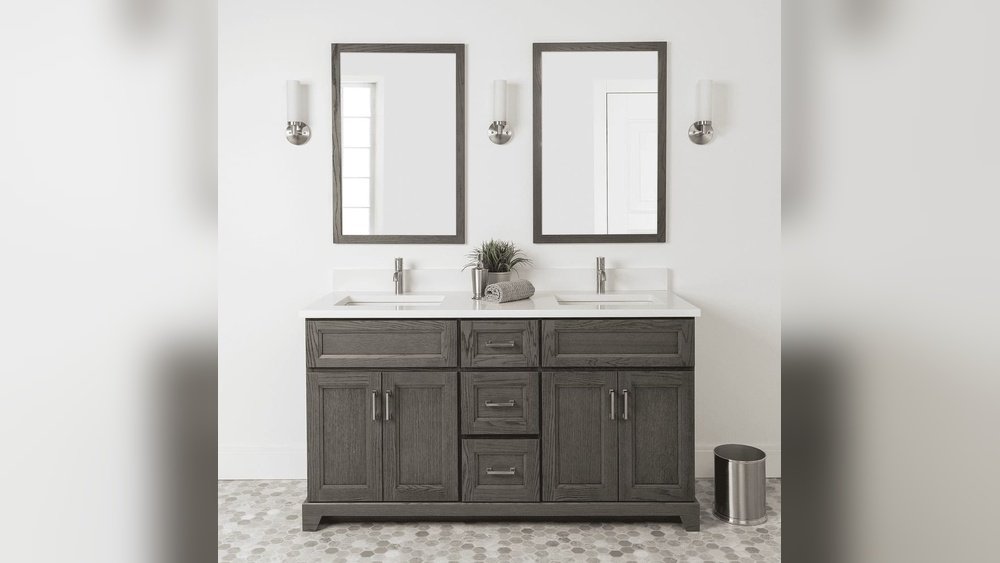
Choosing the right furniture for your bathroom can make a big difference in how your space looks, feels, and works for your daily life. Bathrooms are often smaller than other rooms, but they need to store many items and survive in a wet, humid environment.
Many people only think about sinks, mirrors, and cabinets, but there are other important things you should consider before you buy. In this guide, you’ll learn how to select the best bathroom furniture for your space, your budget, and your style.
As a calm expert, I’ll help you see the details that most beginners miss, so you can avoid common mistakes and enjoy a bathroom that works for you.
Understand Your Bathroom Space
Before you start shopping, take a close look at your bathroom. Measure the walls, windows, and floor area. Look for features like doors that swing inward, radiators, or sloping ceilings that could affect where you put furniture.
Why measurements matter: You may find a beautiful vanity online, but it might not fit once you bring it home. Always write down the width, depth, and height of the space you want to fill. Leave enough room for opening drawers and doors.
Tip: Use painter’s tape to outline the size of possible furniture on your floor. This will help you see if you still have enough space to move around.
Non-obvious insight: Many people forget to measure the space needed for cleaning. For example, if a cabinet is too close to the toilet, you may not be able to mop the floor easily.
Identify Your Storage Needs
Bathrooms collect a lot of items: towels, toiletries, cleaning products, and sometimes laundry. Think about what you need to store and where you want to keep it.
- Daily-use items: Toothbrushes, soap, and skincare products should be easy to reach.
- Towels and linens: You may need shelves or a linen tower if you have a big family.
- Cleaning supplies: Keep these out of sight and away from children.
Practical example: If you have a small bathroom, choose a vanity with drawers instead of open shelves, as drawers can hide clutter and keep items dry.
Common mistake: Buying stylish open shelves for everything can make your bathroom look messy and unorganized.
Choose Materials That Last
Bathroom furniture faces water, steam, and sometimes cleaning chemicals. Not all materials are equal. Here’s a look at common choices:
| Material | Pros | Cons |
|---|---|---|
| Solid wood | Warm look, strong | Needs sealing, can warp |
| MDF (Medium Density Fiberboard) | Affordable, smooth finish | Swells with water if unsealed |
| Plywood | Stable, resists moisture if sealed | Can chip, needs good edge finishing |
| Metal | Modern look, waterproof | Can rust if finish is damaged |
| Plastic/Resin | Waterproof, light, low-cost | Less durable, may look cheap |
Non-obvious insight: Even “water-resistant” furniture needs good ventilation in the bathroom to avoid mold and mildew. Consider adding a vent or keeping a window open.
Match Furniture To Your Bathroom Style
Furniture sets the mood of your bathroom. Do you want a modern, classic, or cozy space? Matching your furniture style to your bathroom design creates a more relaxing environment.
- Modern: Clean lines, glossy finishes, and simple handles.
- Traditional: Curved shapes, wood tones, and detailed drawer pulls.
- Minimalist: Wall-mounted pieces, fewer items on display, and neutral colors.
Real example: A white floating vanity with a vessel sink looks good in a modern bathroom, but it may look out of place in a country-style home with wood paneling.
Tip: Pick two or three main colors for your bathroom and buy furniture that matches or complements them.
Consider The Size And Layout Of Your Bathroom
Not all bathrooms are the same. Some are long and narrow, others are square or have odd corners. The size and shape will affect what type of furniture works best.
Small Bathrooms
- Use wall-mounted vanities to free up floor space.
- Choose mirrored cabinets for extra storage and to reflect light.
- Go for tall, narrow cabinets rather than wide ones.
Large Bathrooms
- Double vanities are great for shared spaces.
- Add a seating bench or a laundry hamper.
- Use open shelving for towels and décor.
Odd-shaped Bathrooms
- Custom-built cabinets can make the most of corners and sloped ceilings.
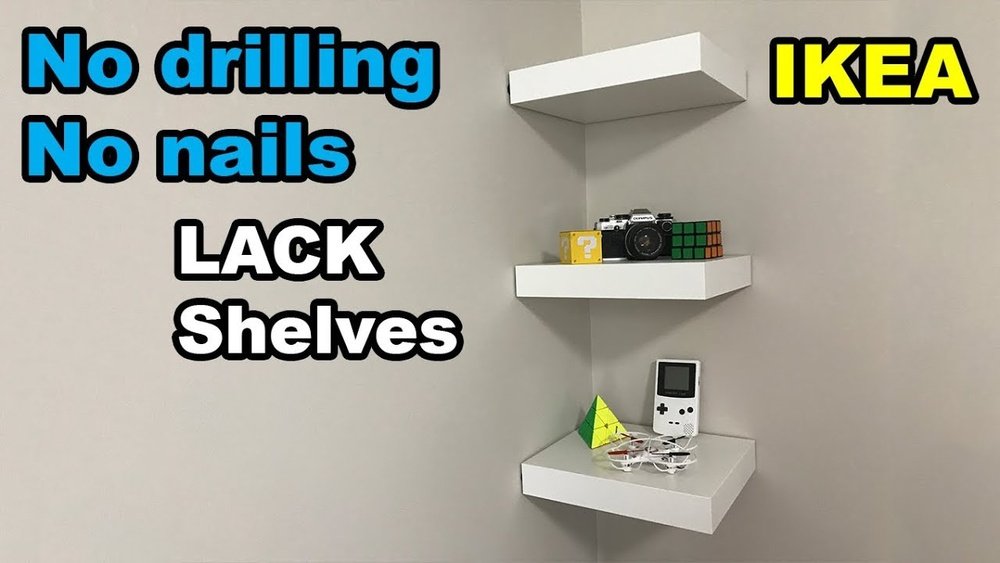
- Floating shelves fit well above toilets or below windows.
Practical tip: Always check that doors, drawers, and walkways are not blocked by furniture placement.
Focus On Functionality
It’s easy to fall in love with a beautiful piece, but ask yourself: does it work for your needs? A good bathroom furniture piece should be both attractive and functional.
Key features to consider:
- Soft-close drawers and doors to avoid noise.
- Adjustable shelves for flexible storage.
- Built-in organizers for small items.
- Easy-to-clean surfaces.
Example: A vanity with a built-in laundry basket saves space and keeps dirty clothes out of sight.
Non-obvious insight: Choose handles and knobs that are easy to grip, especially if you have wet or soapy hands.
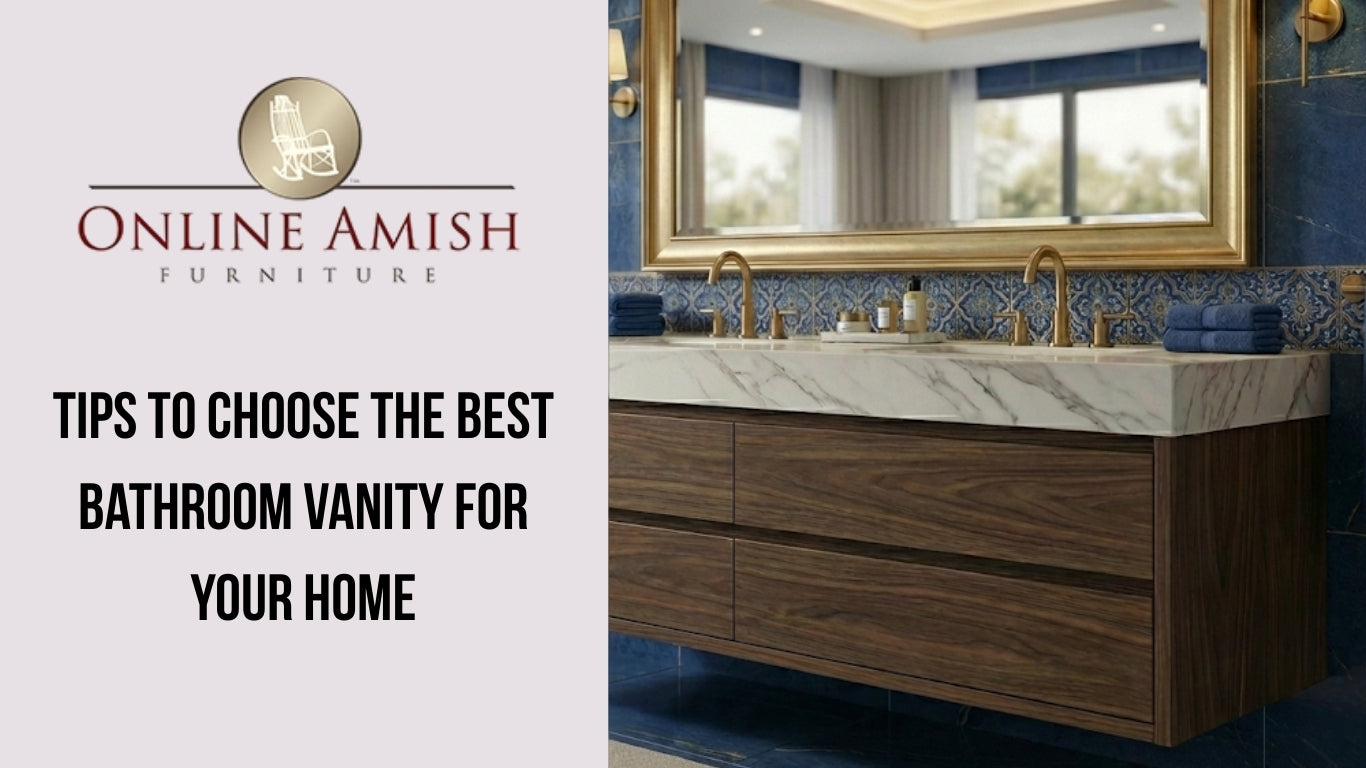
Credit: onlineamishfurniture.com
Compare Ready-made Vs. Custom Furniture
You can buy furniture that’s ready to install, or you can have it custom-made for your bathroom.
| Type | Main Benefit | Main Drawback | Best for |
|---|---|---|---|
| Ready-made | Lower cost, fast delivery | Limited sizes, styles | Standard bathrooms |
| Custom | Perfect fit, unique look | More expensive, longer wait | Odd spaces, special needs |
Tip: If your bathroom is a standard size and you want to save money, ready-made options are usually fine. Choose custom only if you have unique needs or want a special look.
Plan For Plumbing And Electrical Needs
Bathroom furniture often needs to work around plumbing for sinks, toilets, and showers. Make sure new pieces fit with the pipes and drains already in place.
Important points:
- Check that the vanity’s back panel has enough room for water pipes.
- Leave space behind cabinets for electrical sockets if you use hairdryers or electric toothbrushes.
- For wall-mounted units, make sure the wall can support the weight, especially when wet.
Common mistake: Buying a vanity with no hole for the sink or pipes, which can be expensive to fix.
Think About Safety And Accessibility
A bathroom should be safe for everyone, including children, elderly people, or people with limited movement.
Safety features to look for:
- Rounded corners on furniture to avoid injury.
- Non-slip surfaces on cabinets and storage stools.
- Doors and drawers with safety locks if there are young children.
Accessibility tips:
- Consider lower shelves or open storage for people who use wheelchairs.
- Wall-mounted sinks and vanities can make cleaning easier and provide legroom.
Non-obvious insight: Installing grab bars near toilets and showers is helpful, but make sure they match your furniture style for a unified look.
Think About Your Budget
Bathroom furniture comes in a wide price range. Set a budget before you shop, and remember to include extra costs like installation or plumbing changes.
Ways to save money:
- Choose ready-made pieces for standard spaces.
- Use open shelving instead of closed cabinets.
- Paint or refinish old furniture for a new look.
Where to invest: Spend more on pieces you use every day, like vanities or medicine cabinets, and less on items like side tables or decorative shelves.
Non-obvious insight: Sometimes, spending a little more on better materials saves money in the long run because you won’t need to replace them as often.
Assess Quality And Brand Reputation
Not all bathroom furniture brands are created equal. Research before you buy.
- Look for brands with good reviews and warranties.
- Ask about water resistance and maintenance.
- Check if replacement parts (like hinges or handles) are easy to get.
Example: Brands like IKEA, Kohler, and Duravit are known for quality and offer replacement parts for many years.
Tip: Visit showrooms or stores to see and touch the furniture before you decide.
Don’t Forget Ventilation And Maintenance
Bathrooms get humid. Good ventilation (like a fan or a window) keeps your furniture in better shape.
- Choose furniture that is easy to wipe down.
- Avoid materials that trap moisture or are hard to clean.
- Plan regular cleaning of hidden areas like under vanities or behind cabinets.
Non-obvious insight: Even waterproof furniture can grow mold if the room is always damp. Use moisture-resistant paint or sealant for added protection.
Sustainable And Eco-friendly Choices
If you care about the environment, look for eco-friendly bathroom furniture.
- Choose furniture made from recycled materials or sustainably harvested wood.
- Look for low-VOC finishes (these are safer for air quality).
- Support brands that use responsible production methods.
Example: Some companies offer vanities made from bamboo or reclaimed wood, which are both durable and sustainable.
External reference: For more on sustainable bathroom options, see the U.S. EPA’s Green Homes Bathroom Guide.
Installation: Diy Or Professional?
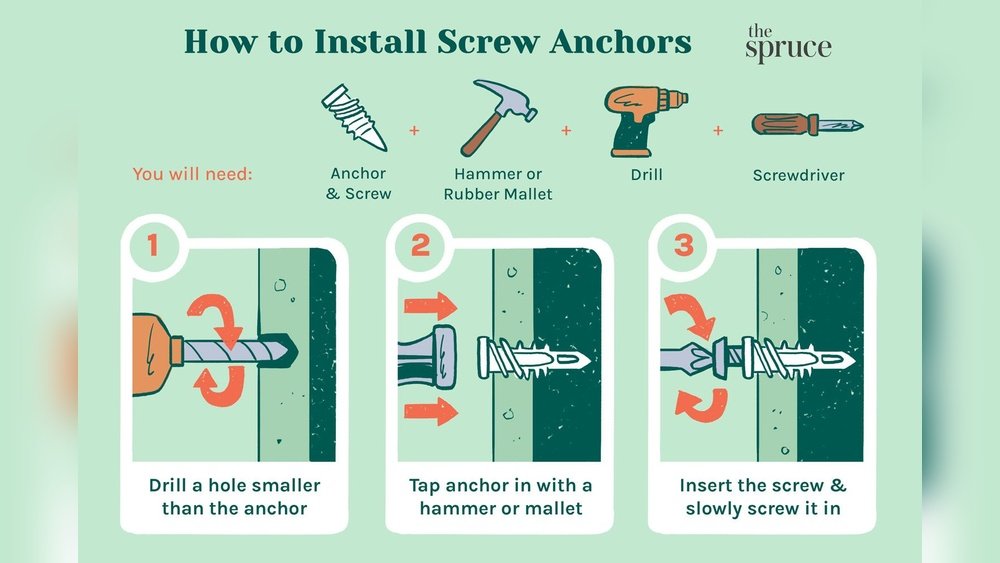
Some bathroom furniture is easy to install yourself, like shelves or simple cabinets. But more complex pieces, like vanities with sinks, may need a plumber or carpenter.
DIY: Saves money, but you must be careful with water connections and wall mounting.
Professional: Costs more, but ensures everything is safe and waterproof.
Non-obvious insight: Poor installation can cause leaks or damage, which may not be covered by warranties.
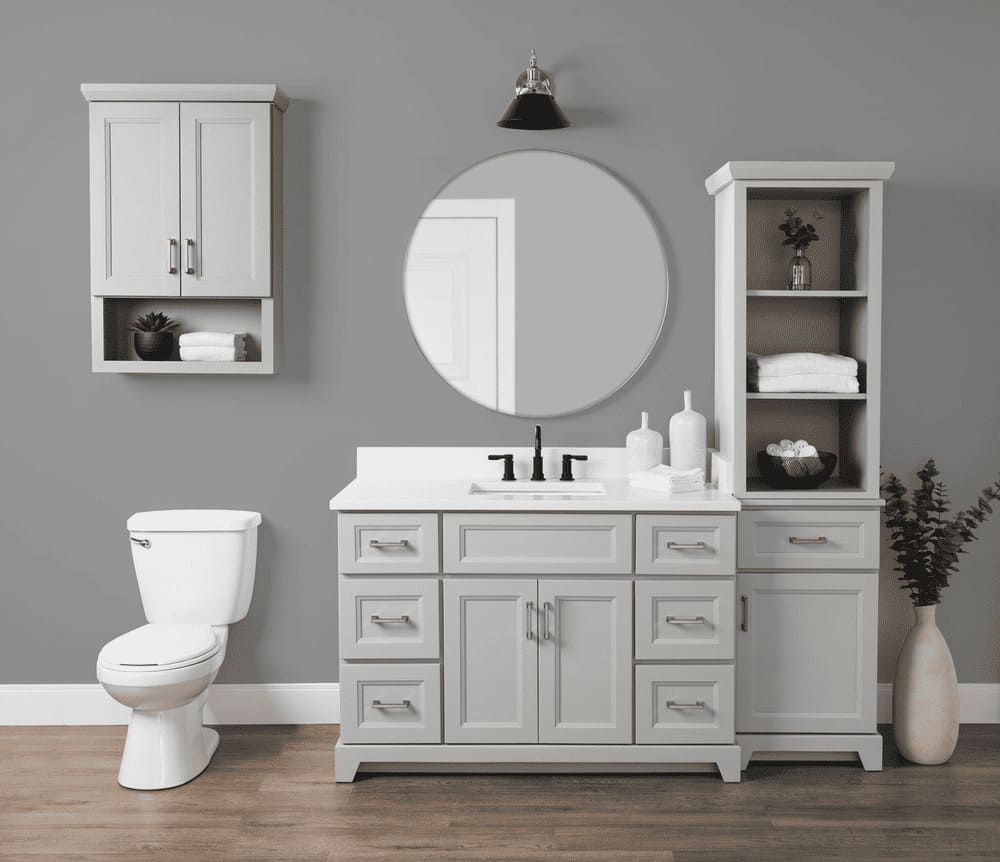
Credit: rocksolidvanities.com
Compare Popular Bathroom Furniture Types
Here’s a quick look at common bathroom furniture and what they are best for:
| Furniture Type | Main Use | Best For |
|---|---|---|
| Vanity unit | Holds sink, storage below | All bathrooms |
| Wall cabinet | Stores medicines, small items | Small or shared bathrooms |
| Tallboy cabinet | Vertical storage for towels, baskets | Bathrooms with little floor space |
| Laundry hamper | Keeps dirty clothes out of sight | Family bathrooms |
| Stool or bench | Seating, extra storage inside | Large or multi-use bathrooms |
| Open shelves | Display décor, keep things handy | Guest bathrooms |
Final Thoughts
Choosing bathroom furniture is about more than good looks. You need to consider your space, storage needs, style, and budget. The best choices are durable, easy to maintain, and safe for everyone in your home. Take your time to plan, measure, and compare before you buy.
This way, your bathroom will not only look great but also work well for many years.
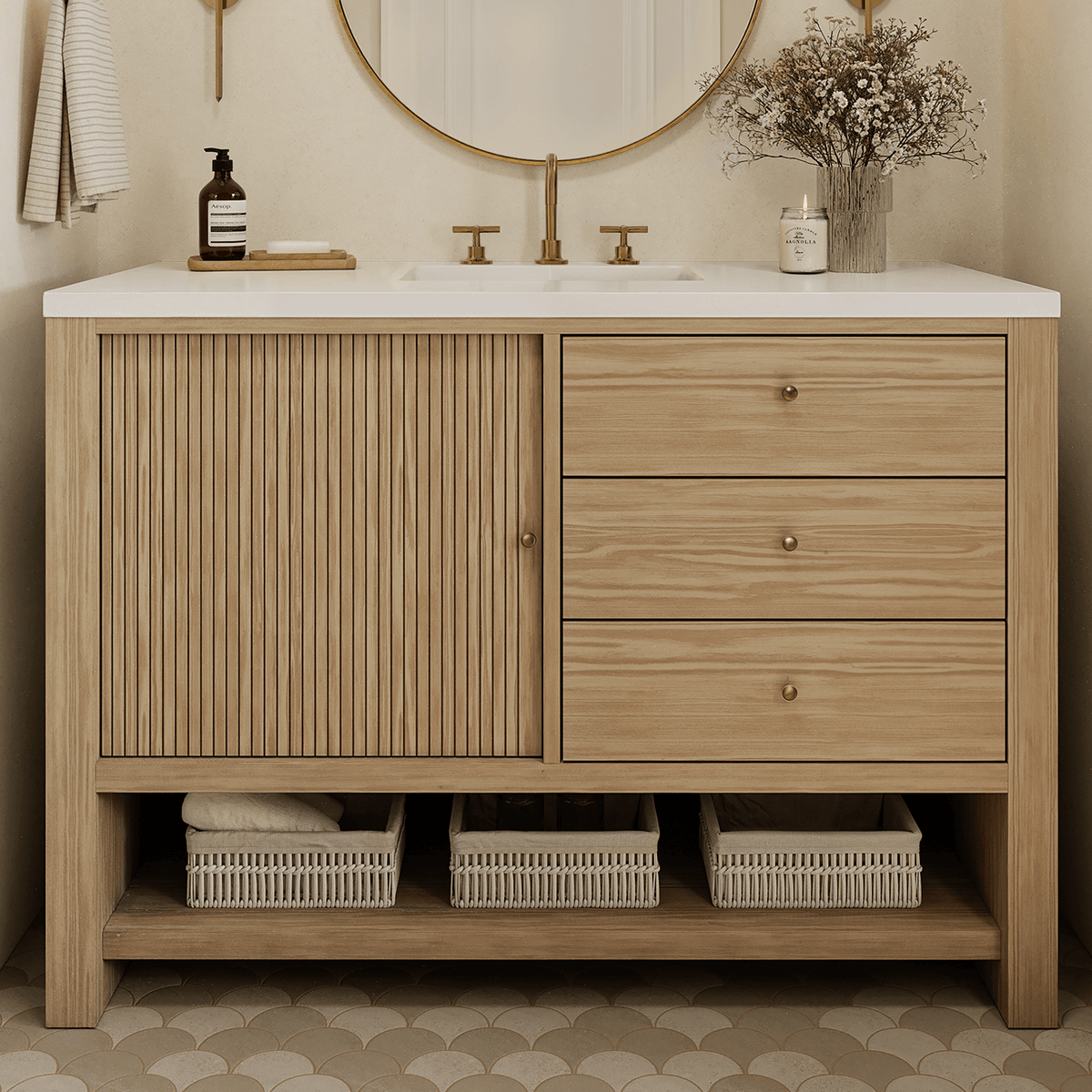
Credit: www.edwardmartin.com
Frequently Asked Questions
What Is The Best Material For Bathroom Furniture?
The best material often depends on your needs. Solid wood looks beautiful but needs good sealing. Plywood or MDF with waterproof finishes are popular choices. For high moisture areas, metal or plastic can be more durable.
How Do I Make A Small Bathroom Feel Bigger With Furniture?
Choose wall-mounted or floating furniture to free up floor space. Use mirrors to reflect light and pick light colors for a more open feel. Avoid bulky pieces and keep only what you need.
Is Custom Bathroom Furniture Worth The Extra Cost?
Custom furniture is worth it if you have an unusual bathroom shape, need special features, or want a unique look. For most standard bathrooms, ready-made options are more affordable and work well.
How Can I Keep My Bathroom Furniture From Getting Damaged By Water?
Always choose water-resistant materials and finishes. Make sure your bathroom is well ventilated. Wipe up spills quickly and avoid letting water sit on surfaces. Use sealants as needed for extra protection.
Can I Install Bathroom Furniture By Myself?
Simple pieces like shelves or cabinets can be DIY projects if you follow instructions. For anything involving plumbing or heavy wall mounting, it’s safer to hire a professional to avoid leaks or accidents.