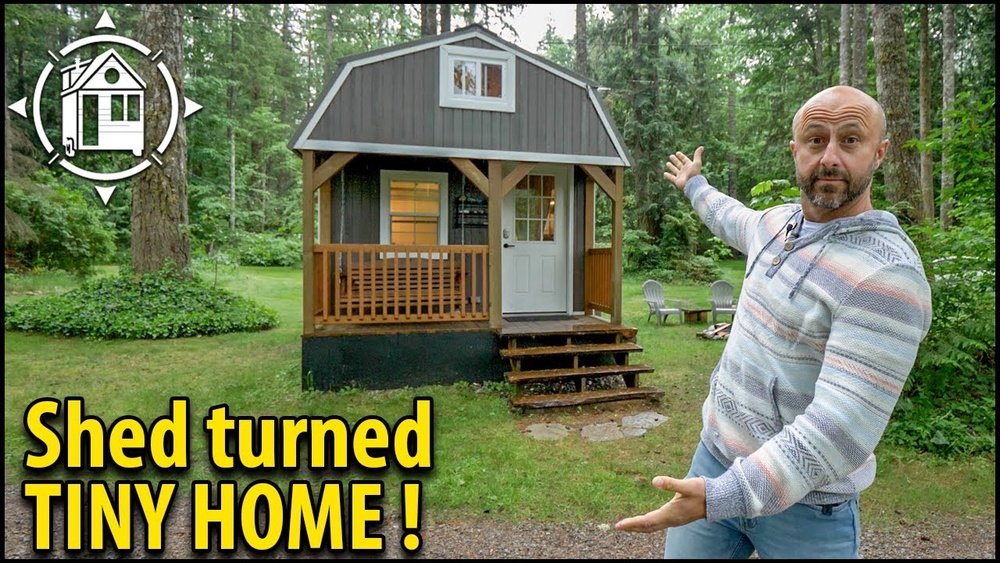
Transforming a simple storage shed into a cozy tiny home has become a popular trend for people seeking affordable, creative living spaces. The appeal is clear: you can own a private retreat, a guest house, or even a full-time residence at a fraction of the cost of traditional homes. But the process is not as simple as moving in a bed and calling it a day. It requires careful planning, smart design, and attention to legal and technical details. If you’re ready to downsize, save money, or just want to try a fun project, this guide will walk you through everything you need to know to turn a storage shed into a comfortable tiny home.
Planning And Legal Considerations
Before you buy materials or start dreaming about interior design, it’s important to check the rules. Many people overlook legal requirements and end up with expensive mistakes.
Check Local Zoning Laws
Each city or county has different rules for what you can build and live in. Some areas allow people to live in converted sheds, while others have strict bans. Visit your local government office or website to find out about:
- Zoning codes for residential use
- Minimum home size requirements
- Placement distance from property lines (setbacks)
- Utility connection rules
If you skip this step, you might have to remove your shed or pay fines later. For example, some towns only allow accessory dwelling units (ADUs), not full-time residences, on certain properties.
Obtain Permits
Most places require permits for changing a shed’s use, adding plumbing, wiring, or making structural changes. Permits protect you and future owners by ensuring the work is safe. Common permits include:
- Building permit
- Electrical permit
- Plumbing permit
- Septic/sewer connection
Don’t just assume your shed is “too small” to need approval. Even for small structures, inspectors often require access to check safety and code compliance.
Budget Wisely
Turning a shed into a tiny home costs less than building a full house, but expenses can add up. Major costs include:
- Insulation and walls
- Doors and windows
- Electrical and plumbing
- Heating and cooling
- Interior finishes
A simple conversion can start around $5,000 for DIYers, but high-quality finishes and professional labor can raise the price over $20,000. Always add 10–20% for unexpected costs.
Choose The Right Shed
Not all sheds are created equal. Some are too flimsy for living, while others are perfect with a few upgrades. Look for:
- Solid framing (2×4 or better)
- Rot-resistant materials (pressure-treated wood or metal)
- High ceilings (at least 8 feet for comfort)
- A sturdy foundation
- Room for windows and doors
Buying a new shed gives you more control, but you can also work with a used one if it’s in good shape.
Designing Your Tiny Home Layout
Good design is the heart of any comfortable tiny home. With limited space, every inch must serve a purpose.
Measure And Sketch
Start by measuring the inside of your shed. Draw a floor plan on paper or use a free app. Consider:
- Where natural light enters
- Ceiling height
- Door and window placement
This helps you decide where to put the kitchen, bathroom, sleeping area, and storage. Try a few layouts before making changes.
Prioritize Essentials
In a tiny space, focus on what you truly need. Most shed homes include:
- Sleeping area (loft or main floor)
- Small kitchen or kitchenette
- Bathroom (toilet and shower)
- Living or sitting space
- Storage (built-in or hidden)
Skip non-essentials until you see how much space is left.
Plan For Multi-use Spaces
Furniture that does double-duty is a secret weapon in tiny homes. For example:
- A sofa bed or Murphy bed saves space.
- A fold-down table works for eating and working.
- Storage benches give you a place to sit and hide your things.
Try to keep walkways open and avoid clutter.
Design For Light And Air
Sheds can feel dark and stuffy. Add plenty of windows or even skylights. Consider a glass door for extra daylight. Good airflow is vital, especially if you cook or use a bathroom inside.

Credit: www.cnbc.com
Upgrading The Shed Structure
Many storage sheds are not made for year-round living. You’ll need to make the shell weatherproof, strong, and comfortable.
Foundation And Leveling
If your shed sits on blocks or bare ground, it may shift or rot. A solid foundation keeps your home safe and dry. Options include:
- Concrete slab
- Pressure-treated wood piers
- Concrete blocks (for smaller sheds)
Make sure the shed is level and anchored, especially in areas with wind or snow.
Insulation And Weatherproofing
Proper insulation is key for comfort and energy savings. Uninsulated sheds get hot in summer and freezing in winter. Popular options:
- Rigid foam boards (easy to cut and install)
- Spray foam (fills gaps, higher cost)
- Fiberglass batts (budget-friendly)
Don’t forget to insulate the ceiling, walls, and floor. Use vapor barriers to prevent mold. Seal windows, doors, and roof seams to stop drafts and leaks.
Upgrading Walls And Roof
Shed walls are often thin and unfinished. Add drywall, wood paneling, or shiplap inside for a homey feel. Strengthen the roof if you plan to add heavy insulation or a ceiling fan. Repair or upgrade roofing materials to stop leaks.
Windows And Doors
Swap out flimsy shed doors for secure, insulated exterior doors. Add windows that open for ventilation. Double-pane windows are best for energy savings.
Soundproofing
If your shed is near a road or in a noisy area, add soundproofing. Use dense insulation, thick curtains, or acoustic panels to block outside noise.
Installing Utilities: Electrical, Plumbing, And Climate Control
A true tiny home needs power, water, and a way to stay comfortable in any weather. These upgrades take skill—consider hiring licensed professionals if you’re unsure.
Electrical System
Plan how many outlets and lights you need. Most people use:
- Overhead LED lights
- Outlets for kitchen, electronics, and heat/cooling
- Outdoor lighting for safety
You can connect to your home’s main power panel, use a dedicated circuit, or go off-grid with solar panels and batteries. Install a breaker box and use proper wiring for safety.
Common mistake: Overloading a circuit or using extension cords instead of permanent wiring. Always use the right wire size and breakers.
Plumbing And Water
Basic options for water include:
- Connecting to city water (if available)
- Running a water line from your main house
- Using a rainwater collection system (off-grid)
For waste, you’ll need:
- A connection to city sewer or septic tank
- Composting toilet (for off-grid or remote locations)
- Portable holding tanks
Don’t forget a water heater—small electric or propane models work well.
Heating And Cooling
Sheds can swing from very hot to very cold. Plan for climate control:
- Mini-split heat pumps (efficient, both heat and cool)
- Electric baseboard heaters
- Portable AC units or fans
- Wood stove (for off-grid charm, but needs venting)
Insulation and weatherproofing help your system work better. In mild climates, sometimes a ceiling fan and space heater are enough.
Internet And Connectivity
If you plan to work or stream TV, add an internet connection. Options:
- Extend your home’s Wi-Fi with a repeater
- Install Ethernet cable underground
- Use mobile hotspots or satellite internet
Interior Finishes And Space-saving Ideas
This is where your shed starts to feel like a real home. Small details make a big difference.
Flooring
Upgrade from bare plywood to something durable and easy to clean:
- Vinyl plank (waterproof, looks like wood)
- Laminate
- Tile (for bathrooms)
- Area rugs for warmth
Install over a moisture barrier to protect against dampness.
Walls And Ceilings
Paint walls a light color to make the space feel bigger. Wood paneling or shiplap adds warmth. Use bright white or soft colors for ceilings to reflect light.
Kitchenette
A full kitchen is rare in a shed home, but you can make a compact kitchenette with:
- A two-burner cooktop or induction plate
- Mini fridge
- Sink with running water
- Open shelves or cabinets for storage
Use a fold-down table or wall-mounted counter for eating and prep.
Bathroom
The smallest bathrooms can fit:
- A shower stall or wet bath (shower over toilet)
- Compact toilet (flush, composting, or RV style)
- Small sink or corner basin
Use waterproof wall panels and good ventilation to stop mold. A pocket door or curtain saves space.
Storage Solutions
Maximize every inch with smart storage:
- Built-in shelves between wall studs
- Under-bed drawers or bins
- Hanging baskets or racks
- Loft space above the main room
Hooks and pegboards help organize tools, clothes, or kitchen items.
Sleeping Area
A loft bed is a favorite for tiny homes, especially in sheds with high ceilings. If not possible, a Murphy bed or futon can save floor space. Use guardrails for loft safety and a sturdy ladder.
Lighting And Ambiance
Good lighting makes the space feel larger and more inviting:
- Overhead LED lights for brightness
- Wall sconces or reading lamps for mood
- String lights for coziness
Use mirrors to reflect light and add depth.
Real-life Example: Shed-to-tiny Home Transformation
Let’s look at a real example. Emily bought a 12×24-foot shed for $4,500. She spent $7,500 on insulation, drywall, plumbing, and electrical. Her final costs:
- Shed: $4,500
- Foundation and leveling: $1,000
- Insulation and drywall: $1,200
- Electrical and plumbing: $2,500
- Kitchenette and bathroom: $1,500
- Interior finishes and furniture: $1,300
Total: $12,000
Emily now enjoys a full-time home with a sleeping loft, kitchenette, bathroom with composting toilet, and a cozy living area. She kept costs down by doing much of the work herself and buying secondhand fixtures.
Comparing Shed Sizes And Costs
Here’s a quick comparison of popular shed sizes and what you can fit inside each:
| Shed Size (ft) | Square Footage | Suitable For | Estimated Cost (DIY) |
|---|---|---|---|
| 8×12 | 96 | Single sleeper, micro office, weekend retreat | $5,000–$8,000 |
| 10×16 | 160 | Full-time single, guest house, basic kitchen/bath | $7,500–$12,000 |
| 12×24 | 288 | Couple or small family, full kitchen/bathroom | $10,000–$20,000 |
Larger sheds cost more to finish but give you more comfort and options.
Mistakes To Avoid When Converting A Shed
Many people make avoidable errors when turning a shed into a home. Here are some of the most common:
- Ignoring permits and zoning – This can lead to legal trouble or expensive removals.
- Poor insulation – Skimping here leads to high energy bills and uncomfortable living.
- Underestimating costs – Always budget for extras and surprises.
- Overloading electrical circuits – Use proper wiring and breakers.
- Bad ventilation – Leads to mold, odors, and poor air quality.
- Insufficient foundation – Sheds need strong support for safety and comfort.
- Not planning for storage – Tiny spaces get messy fast without smart storage.
- Choosing the wrong shed – Flimsy models cost more to upgrade than to replace.
- Ignoring resale value – Build to code so you can sell or rent legally later.
Sustainability And Off-grid Options
Many shed-to-home converters want to live more sustainably or off the grid. Here’s how you can make your tiny home greener:
- Install solar panels for electricity.
- Use a composting toilet to reduce water use.
- Collect rainwater for non-drinking uses.
- Insulate well to reduce heating and cooling needs.
- Choose recycled or reclaimed building materials.
- Plant shade trees or a green roof for natural cooling.
Living tiny can shrink your carbon footprint, but only if you plan for efficiency.
Shed Home Vs. Other Tiny Home Options
How does a shed tiny home compare to other popular small living options? Here’s a quick look:
| Type | Pros | Cons |
|---|---|---|
| Shed Conversion | Affordable, fast, flexible sizes | Needs upgrades, legal hurdles in some areas |
| Tiny House on Wheels | Mobile, often custom designed | Heavier, more expensive, harder to park |
| Shipping Container Home | Strong, modern look, stackable | Harder to insulate, may need cutting/welding |
| Pre-fab Tiny Home | Turnkey, built to code | Higher cost, less DIY control |
Shed homes are a great choice for those on a budget or wanting to build themselves.
Insurance, Taxes, And Long-term Considerations
Turning a shed into a home affects your property value, taxes, and insurance.
- Home insurance: Not all companies cover shed conversions. Shop for policies that protect tiny homes or accessory units.
- Property taxes: Adding a living unit can increase your taxes. Check with your local assessor.
- Maintenance: Sheds need regular care—roof checks, pest control, and weatherproofing.
- Resale value: A legal, well-finished tiny home can boost your property’s worth, but illegal or poor-quality work may hurt it.
Two Insights Beginners Often Miss
- Moisture is the enemy in small spaces. Even minor leaks, condensation, or bad ventilation can cause big problems in a shed home. Always plan for airflow and use vapor barriers.
- Legal status matters for resale and financing. Even if you plan to live in the shed forever, future buyers or lenders may refuse to work with a non-permitted or out-of-code building. Building to code protects your investment.
Credit: www.patiowell.com
Where To Learn More
If you want more details, the Tiny House Movement Wikipedia page offers a good overview of legal, social, and design considerations for tiny homes.
Frequently Asked Questions
What Size Shed Is Best For A Tiny Home Conversion?
Most people find that a shed between 10×16 and 12×24 feet offers enough space for a comfortable living area, small kitchen, and bathroom. Smaller sheds can work for solo or part-time use, but may feel cramped for full-time living.
Can I Add A Bathroom To My Shed Home?
Yes, you can add a bathroom, but it requires careful plumbing and often a permit. Options include connecting to city water/sewer, using a septic system, or installing a composting toilet for off-grid living.
How Much Does It Cost To Turn A Shed Into A Tiny Home?
DIY conversions usually range from $5,000 to $20,000 depending on size, materials, and labor. Hiring professionals, adding high-end finishes, or installing complex utilities can increase costs.
Do I Need Insulation In My Shed Home?
Absolutely. Insulation is essential for comfort and energy efficiency. Without it, sheds become too hot or cold and may develop condensation or mold.
Can I Legally Live In A Shed Home Full-time?
It depends on your local zoning and building codes. Some areas allow full-time living in shed conversions, while others restrict them to guest use or not at all. Always check your local rules and get the required permits.
Turning a storage shed into a tiny home is both a challenge and a rewarding adventure. With smart planning, attention to detail, and respect for legal requirements, you can create a unique, affordable space that feels like home.
Credit: www.bvintagestyle.com