When you start a home renovation in Texas, your home quickly fills with tools, boxes, and dust. Furniture gets moved from room to room, and you may find yourself tripping over stacks of items you rarely use. That’s when a storage unit can save your sanity. But one big challenge remains: choosing the right storage unit size. Pick too small, and you’re back to playing Tetris with your belongings. Too big, and you pay for space you don’t need.
Finding the perfect fit isn’t just about square footage; it’s about understanding your needs, your renovation timeline, and how Texas weather might impact your things. In this guide, you’ll learn exactly how to choose the right storage unit size for a Texas home renovation.
You’ll get clear steps, practical examples, and tips that most first-timers miss. By the end, you’ll feel confident renting the right space—without wasting money or risking your valuables.
Why Storage Units Are Essential During Home Renovation
Home renovations always sound exciting—until you realize your kitchen table is now in your bedroom, and your closet is filled with power tools. Storage units help you avoid this chaos in several ways:
- Protect valuables: Renovation dust, paint splatters, and accidental bumps can damage your furniture and electronics. A storage unit keeps them safe.
- Maximize workspace: Clearing out rooms gives contractors space to work efficiently and safely.
- Reduce stress: You won’t have to live around piles of boxes, making the process less overwhelming.
Many Texas homeowners use storage units for renovations lasting a few weeks or several months. With unpredictable weather, these units also protect items from heat, humidity, and sudden storms.
Understanding Storage Unit Sizes
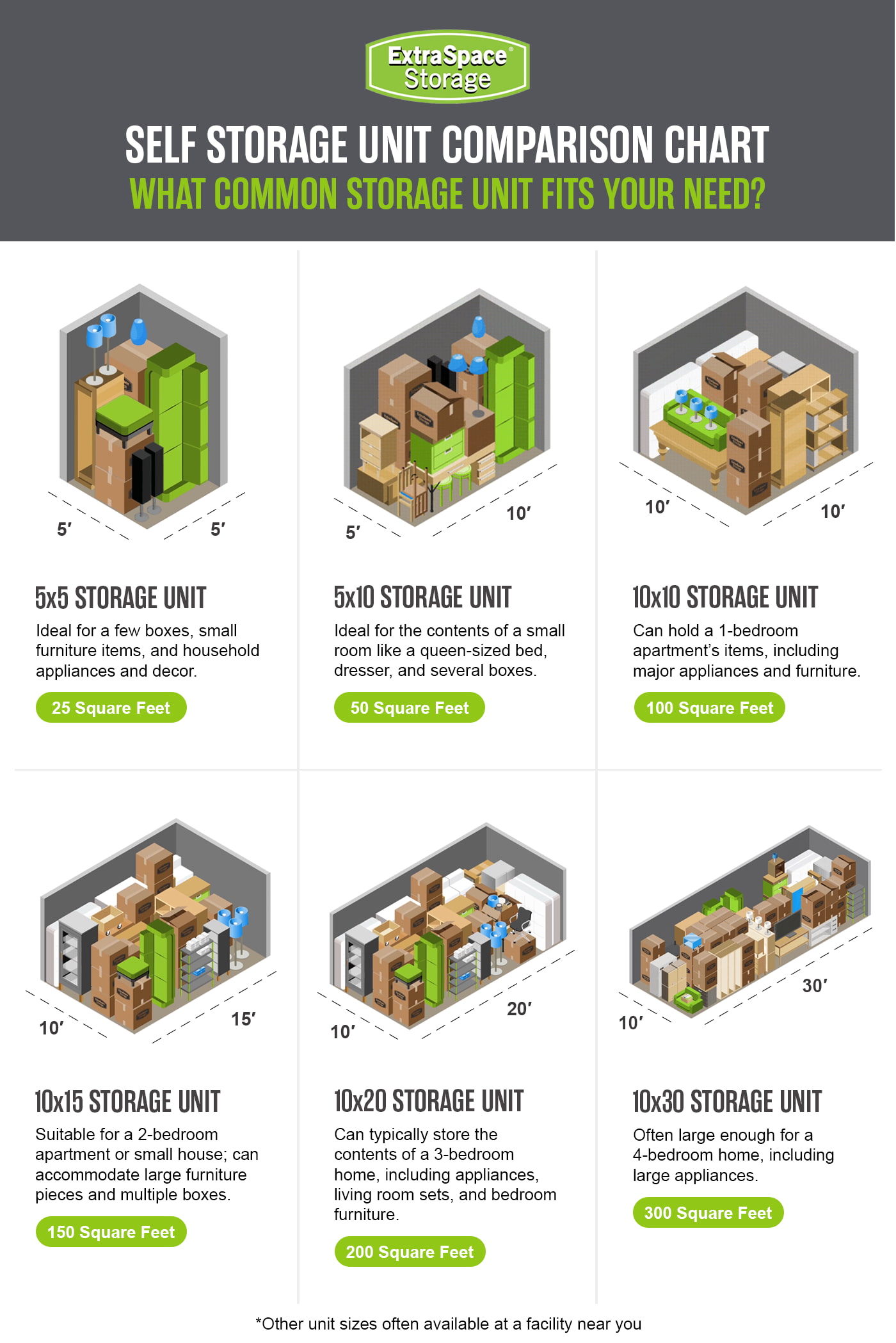
Before you pick a size, let’s get clear on what Texas storage facilities usually offer. Storage units are measured in feet (width x length), and the ceiling is usually 8–10 feet high. Here are the most common sizes and what typically fits in each:
| Unit Size | Square Feet | What Fits |
|---|---|---|
| 5×5 | 25 | Small boxes, seasonal items, a few chairs |
| 5×10 | 50 | Contents of a walk-in closet, small appliances |
| 10×10 | 100 | 1-bedroom apartment, couch, mattress, boxes |
| 10×15 | 150 | 2-bedroom apartment, appliances, furniture |
| 10×20 | 200 | 3-bedroom house, dining set, large furniture |
| 10×30 | 300 | 4–5 bedroom house, garage items, patio furniture |
Most people overestimate or underestimate what can fit in a unit. A good rule: if you’re storing furniture from one large room, you likely need at least a 10×10 unit.
Factors To Consider Before Choosing A Unit Size
Selecting the right size isn’t just about counting boxes. These key factors will impact your decision:
1. Scope Of Renovation
Are you remodeling one room or the entire house? The more space you renovate, the more items you’ll need to move. For a single bathroom or kitchen, a small unit (5×10 or 10×10) often works. For larger projects, plan for at least a 10×15 or 10×20.
2. Types Of Items Being Stored
Not all items are equal. Storing a king-sized bed or a sectional sofa takes much more space than a few boxes of clothes. Appliances, fragile décor, or outdoor equipment need more room and careful stacking.
3. Duration Of Storage
If your renovation lasts several months, you may need extra space for items you access occasionally. Short-term storage can be packed more tightly, while long-term storage should allow for walkways so you can reach things without unloading the entire unit.
4. Texas Climate
Texas summers can be brutal. If you store electronics, wood furniture, or antiques, consider a climate-controlled unit. These units protect against extreme temperatures and humidity, but they may be slightly smaller inside due to insulation.
5. Accessibility Needs
Will you need to grab items from storage during your renovation? If yes, leave space for a walkway in the unit. This may require a larger size than you expect.
6. Packing And Stacking Skills
How well you pack and stack boxes impacts space. Skilled packers can fit more in a small unit, but if you’re not confident or have bulky furniture, go a size up.
7. Budget
Storage prices in Texas vary by city, season, and demand. Don’t just focus on monthly cost—consider whether a slightly larger unit will save you time and hassle later.
Step-by-step: How To Estimate The Storage Unit Size You Need
Many people guess their storage needs and regret it later. Here’s a practical method to get it right:
Step 1: Make A Complete Inventory
Walk through your home and list every item you’ll move to storage. Include:
- Furniture (sofas, beds, tables)
- Appliances (microwave, washer, fridge)
- Boxes (estimate by room)
- Seasonal gear (bikes, grills, holiday decorations)
Be specific. Instead of “bedroom furniture,” write “queen bed, dresser, nightstands. ”
Step 2: Measure Large Items
Use a tape measure for bulky furniture. Write down the length, width, and height. This helps you visualize stacking and positioning inside the unit.
Step 3: Estimate Total Volume
Add up the approximate cubic footage (length x width x height) for each item. If you plan to disassemble furniture, adjust the numbers. For boxes, stack them to see how much floor space they’ll take.
Step 4: Use A Storage Unit Calculator
Many Texas storage companies have online calculators. Input your inventory for a recommended size. But don’t just trust the number—use it as a starting point.
Step 5: Visualize With Painter’s Tape
Mark the unit size on your garage or driveway with tape. Try fitting your items inside this “virtual unit. ” If you can walk through comfortably, you likely have enough space.
Step 6: Factor In Walkways And Access
If you’ll need to access items during renovation, add space for a narrow walkway. This often means choosing a unit one size larger than your basic calculation.
Step 7: Consult Storage Facility Staff
Experienced staff can spot mistakes and make suggestions. Show them your inventory and ask for advice—especially if you have delicate or valuable items.

Credit: www.cubesmart.com
Common Storage Unit Sizes For Texas Home Renovations
Let’s look at the most popular sizes for Texas homeowners and what you can realistically fit in each:
5×5 (small Closet)
- Good for: Boxes, small décor, seasonal items
- Not for: Furniture or large appliances
- Example: Storing holiday lights, a few small chairs, and kids’ toys during a bathroom remodel
5×10 (walk-in Closet)
- Good for: Small appliances, a few pieces of furniture, 10–15 boxes
- Example: Temporary storage during a kitchen update, or for single-room renovations
10×10 (small Bedroom)
- Good for: One-bedroom apartment contents, mattresses, small couch, appliances
- Example: Renovating a living room and bedroom at the same time
10×15 (large Bedroom)
- Good for: Two-bedroom apartment or small house, appliances, dining set
- Example: Storing main living area and bedroom furniture for a larger renovation
10×20 (single Car Garage)
- Good for: Three-bedroom house, large furniture, patio items, bikes
- Example: Whole-home renovation for a mid-sized Texas house
10×30 (large Garage)
- Good for: Four to five-bedroom home, garage equipment, outdoor gear
- Example: Major renovation, whole-house packing, or storing business inventory
Storage Unit Size Vs. Texas Home Sizes: Practical Examples
To help you visualize, here’s a comparison between typical Texas home sizes and recommended storage units:
| Home Size | Rooms Renovated | Suggested Unit Size | Notes |
|---|---|---|---|
| 1,200 sq ft (starter home) | Kitchen + Living Room | 10×10 or 10×15 | Disassemble tables, stack boxes |
| 1,800 sq ft (family home) | Kitchen + 2 Bedrooms | 10×15 or 10×20 | Leave walkway for access |
| 2,500+ sq ft (large home) | Whole house | 10×30 | May need 2 units for garage & patio items |
Credit: www.extraspace.com
Mistakes To Avoid When Choosing Your Storage Unit
Even smart homeowners make errors when picking unit sizes. Here are common pitfalls and how to avoid them:
- Guessing instead of measuring: Always measure your largest items. Estimating leads to wasted money or cramped storage.
- Ignoring climate needs: Texas heat can warp wood and fry electronics. Don’t skip climate control if you’re storing valuables.
- Overpacking: Filling a unit to the ceiling makes it hard to access and increases the risk of damage.
- Choosing based on price alone: Saving $10/month isn’t worth the hassle of moving items twice or damaging belongings.
- Forgetting about insurance: Not all storage facilities cover damage from storms or theft. Consider renters’ insurance for peace of mind.
How Texas Weather Impacts Your Storage Choices
Texas is famous for sudden storms, high humidity, and scorching summers. These conditions can ruin furniture, electronics, and artwork. Here’s how to keep your belongings safe:
- Choose climate-controlled units for wood, leather, electronics, or important documents. These units are insulated and air-conditioned.
- Avoid storing items directly on the floor. Use pallets or shelves to protect against flooding.
- Wrap furniture in plastic or blankets to prevent dust and moisture damage.
- For long-term storage, use moisture absorbers to reduce humidity inside the unit.
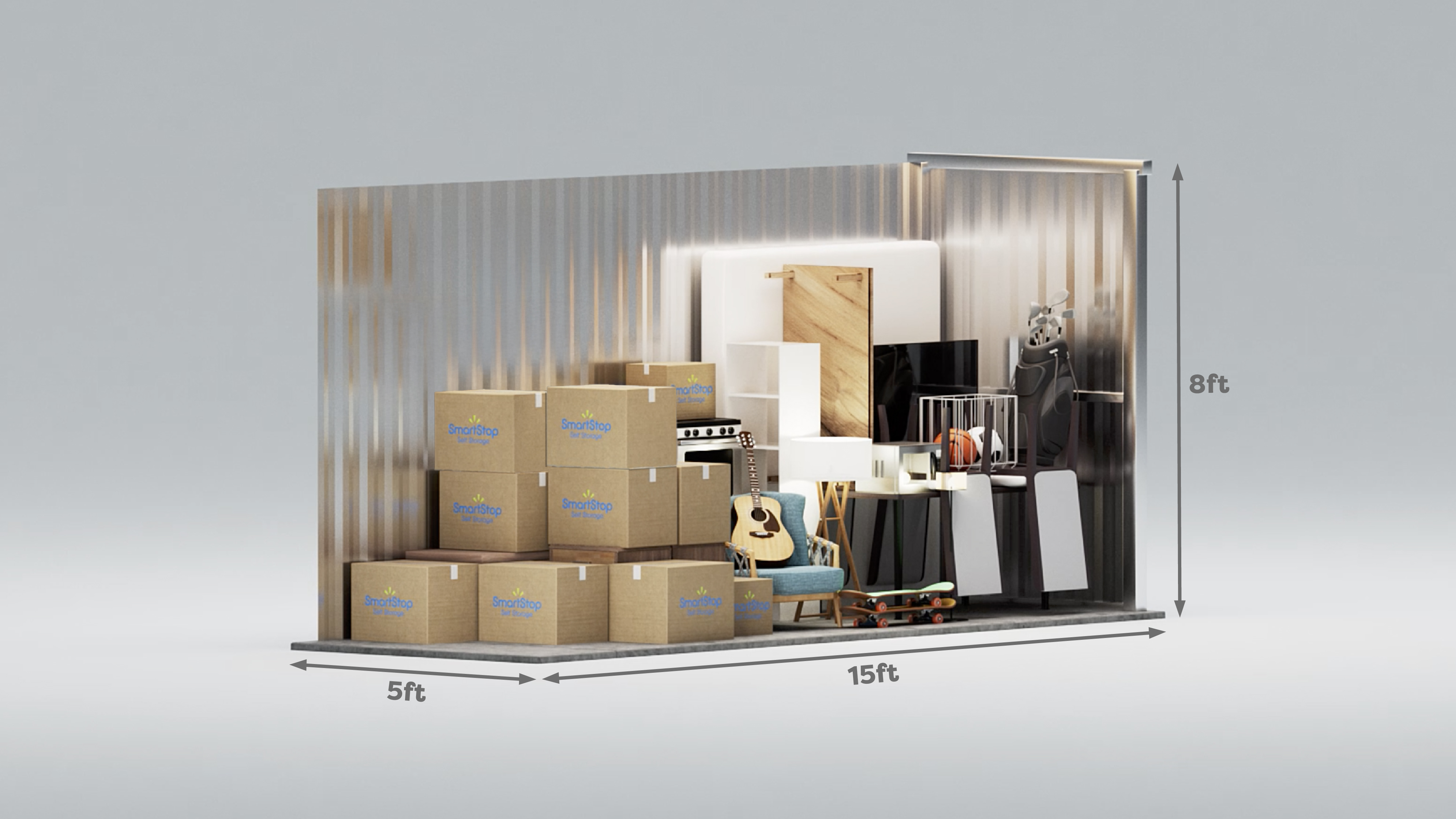
Some Texas cities like Houston and Dallas have higher humidity than West Texas or the Hill Country. Always ask storage staff about local conditions and best practices.
Credit: smartstopselfstorage.com
Packing Tips To Maximize Your Storage Space
Smart packing can save you money and reduce the unit size you need. Use these pro tips:
- Disassemble large furniture (beds, tables) to save space and prevent damage.
- Stack boxes of the same size for stable, efficient piles. Place heavier boxes at the bottom.
- Label every box clearly so you can find things easily.
- Use vertical space: Stand sofas on end, stack chairs, and use shelving for small boxes.
- Leave a walkway if you need regular access.
For fragile items, wrap each piece in bubble wrap or moving blankets. Don’t stack heavy items on top of delicate things.
How To Save Money On Storage In Texas
Storage can get expensive, especially for long-term renovations. Here are ways to keep costs down without risking your valuables:
- Shop around: Prices vary widely by city and even by neighborhood.
- Reserve early: Spring and summer are busy seasons; booking in advance can lock in lower rates.
- Share with neighbors: If you’re in a condo or HOA, ask if anyone else needs temporary storage.
- Don’t pay for extras you don’t need: Only choose climate control or 24/7 access if it’s essential.
- Look for promotions: Many Texas storage companies offer the first month free or discounted rates for longer rentals.
When To Upsize Or Downsize Your Storage Unit
Sometimes, your needs change during renovation. If you realize you need more (or less) space, here’s what to do:
- Contact your facility early: Most companies allow you to switch units if one is available.
- Don’t wait until the unit is full: Moving items multiple times increases the risk of damage.
- Downsize if possible: If you clear out items or the renovation finishes early, save money by moving to a smaller unit.
Insurance And Security For Texas Storage Units
Texas weather and theft risks mean you should think about security and insurance:
- Choose a facility with gated access, cameras, and good lighting.
- Ask about on-site staff: Facilities with live staff are often safer.
- Check your homeowners or renters insurance: Many policies cover storage, but some don’t.
- Consider extra insurance: Especially for valuable items like antiques or electronics.
For more details on self-storage security, the Wikipedia Self Storage page is a helpful resource.
Questions To Ask Before Renting A Storage Unit
Never sign a contract without asking these:
- Is the unit climate-controlled?
- What are access hours?
- Is there 24/7 security?
- Are there extra fees for insurance, locks, or late payments?
- What is the policy for upsizing or downsizing units?
These questions help you avoid surprises and ensure you get the best value.
Frequently Asked Questions
How Do I Know Which Storage Unit Size Is Right For My Renovation?
Start by making a complete list of items you plan to store. Measure large pieces and estimate the number of boxes. Use online calculators or ask facility staff for recommendations. When in doubt, go one size larger to allow for walkways and access.
Is Climate Control Necessary For Texas Storage Units?
For most home renovations in Texas, climate control is highly recommended—especially if you’re storing wood, electronics, or family keepsakes. High temperatures and humidity can damage items quickly. If you’re only storing plastic or metal items for a short time, you may not need it.
Can I Change My Storage Unit Size After Renting?
Yes, most Texas storage facilities allow you to switch unit sizes if space is available. Contact the facility as soon as you realize your needs have changed. Moving to a larger or smaller unit may require moving your items, so plan ahead.
How Can I Maximize Space In My Storage Unit?
Disassemble large furniture, stack boxes by size, and use shelving if allowed. Stand items vertically when possible and leave a walkway for access. Careful packing can save you from needing a larger unit.
Are My Belongings Insured While In Storage?
Not always. Some facilities offer basic coverage, but it may not protect against all risks. Check your homeowners or renters insurance for off-site coverage. You can often buy extra insurance through the storage company for valuable items.
Making The Right Storage Choice For Your Texas Renovation
Choosing the right storage unit size for your Texas home renovation takes more than a quick guess. With a clear inventory, a smart estimate, and attention to local weather, you can protect your belongings and keep your project running smoothly.
Don’t rush your decision—take time to measure, ask questions, and consider your access needs. A well-chosen unit will make your renovation less stressful and your home more organized when the dust finally settles.