Have you ever struggled with screws slipping off your screwdriver at the worst possible moment? It’s frustrating and can slow down even the simplest tasks.
What if you could fix that instantly by magnetizing your screwdriver? Magnetizing your tool makes holding screws easier, speeds up your work, and saves you from dropped screws in tight spots. You’ll discover simple, proven ways to magnetize your screwdriver quickly—using items you probably already have at home.
By the end, you’ll have a handy, magnetized screwdriver ready to make your projects smoother and more efficient. Keep reading to learn the best methods and insider tips that professionals use every day!

Credit: www.wikihow.com
Reasons To Magnetize A Screwdriver
Magnetizing a screwdriver makes it easier to handle screws. It helps keep screws attached to the tool. This simple trick saves time and reduces frustration. Many people do it to improve their work and efficiency.
Below are some key reasons why magnetizing a screwdriver is useful. Understanding these benefits can help you decide to magnetize your own tool.
Benefits Of A Magnetic Tip
A magnetic tip holds screws firmly on the screwdriver. It stops screws from falling or getting lost. This is helpful in tight or hard-to-reach places.
The magnetic tip also allows one-handed work. You can place screws easily without using your other hand. It improves precision and control during tasks.
Using a magnetic screwdriver reduces the chance of dropping screws. This lowers frustration and speeds up work. It makes tasks smoother and less stressful.
Common Use Cases
Magnetized screwdrivers are popular in electronics repair. Small screws can be tricky to handle in these jobs. The magnet keeps the screws steady and easy to insert.
They are also useful in assembling furniture. Magnetic tips help keep screws in place during quick assembly. It prevents screws from slipping or falling.
Many mechanics use magnetic screwdrivers to work on vehicles. It helps them handle screws in tight engine spaces. The magnetic tip reduces the chance of losing parts.
Tools Needed
A strong magnet or a magnetizer tool is needed to magnetize a screwdriver. The magnet should be moved along the metal shaft carefully. Simple household items like a battery and wire can also work for magnetizing.
Magnetizing a screwdriver requires only a few simple tools. Most are easy to find and affordable. Choosing the right tools ensures the process is safe and effective. This section explains the basic tools needed for magnetizing your screwdriver.
Types Of Magnets
Strong magnets work best to magnetize screwdrivers. Neodymium magnets are the most powerful and popular choice. They can easily magnetize metal tips in seconds. Ceramic magnets also work but need more effort. Avoid weak magnets as they may not hold magnetism well.
Optional Magnetizer Tools
Magnetizer and demagnetizer tools simplify this task. These devices create a magnetic field to charge or discharge the screwdriver tip. They are usually small and portable. Using them saves time and gives consistent results. You can find these tools at hardware stores or online.
Safety Precautions
Magnets can be dangerous if not handled properly. Keep magnets away from electronic devices and credit cards. Strong magnets can pinch skin or cause injury if mishandled. Always wear eye protection and gloves if needed. Work in a clean, clear space to avoid accidents.
Method 1: Rubbing With A Magnet
Method 1: Rubbing with a Magnet is a simple and effective way to magnetize a screwdriver. This method uses a strong magnet to transfer magnetic properties to the metal tip. It requires no special tools or electricity.
By rubbing the magnet along the screwdriver, you align the metal’s particles to create a magnetic field. This allows the screwdriver to hold screws firmly, making your work easier.
Choosing The Right Magnet
Select a magnet that is strong and durable. Neodymium magnets are ideal because they have a powerful magnetic force. Avoid weak magnets like fridge magnets, as they will not work well.
Make sure the magnet is clean and free of rust. A clean magnet will transfer magnetism more efficiently. Keep the magnet dry to prevent damage.
Proper Stroking Technique
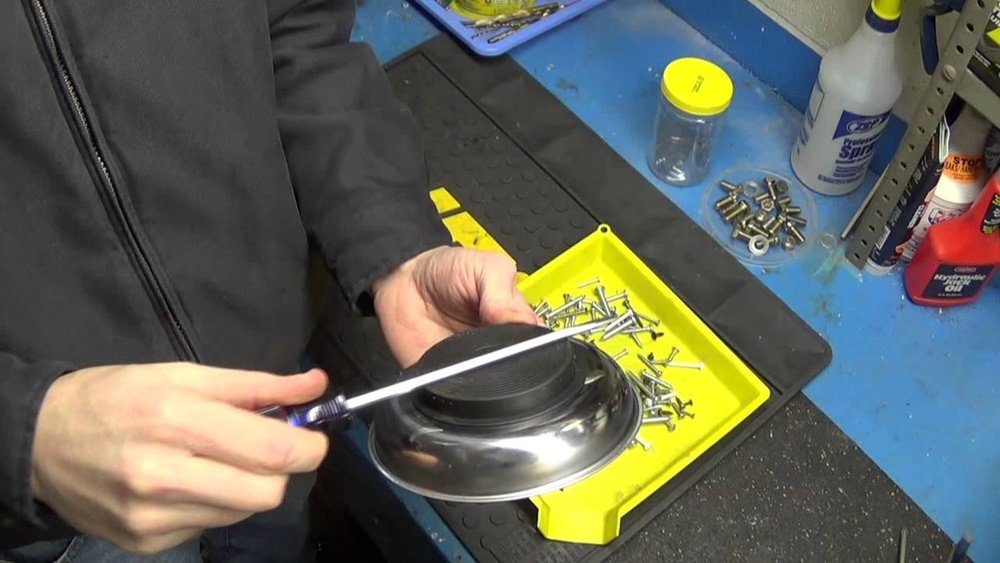
Hold the screwdriver firmly in one hand. Take the magnet in the other hand and stroke it along the metal shaft.
Always move the magnet in one direction, from the handle to the tip. Do not rub back and forth. Lift the magnet off the screwdriver after each stroke to avoid demagnetizing.
Repeat the strokes about 30 to 40 times for a strong magnetic effect.
Tips For Best Results
Use slow and steady strokes to allow the magnet to transfer properly. Quick or rough rubbing may reduce effectiveness.
Magnetize the screwdriver tip only, not the handle. The metal tip holds the magnetic field best.
Test the screwdriver by picking up small screws. If it fails, repeat the process for stronger magnetism.

Credit: www.wikihow.com
Method 2: Using A Magnetizer Tool
Method 2: Using a Magnetizer Tool offers a quick and reliable way to magnetize a screwdriver. This tool is designed specifically to add magnetism to metal tips. It works faster than manual methods and provides a strong magnetic hold. Ideal for anyone who often works with screws, this method saves time and effort.
How Magnetizer Tools Work
Magnetizer tools create a magnetic field that aligns the atoms in the screwdriver tip. This alignment causes the metal to become magnetic. The tool usually has a slot where you insert the screwdriver. As you pull the screwdriver through, the magnetic field magnetizes the tip evenly.
Step-by-step Usage
First, clean the screwdriver tip to remove dirt or grease. Next, insert the tip into the magnetizer tool slot. Slowly pull the screwdriver through the slot from handle to tip. Repeat this motion three to five times for best results. Test the magnetism by picking up a small screw. If needed, repeat the process to strengthen the magnetism.
Advantages Of Magnetizer Tools
These tools magnetize quickly, saving time compared to rubbing with magnets. They provide consistent magnetism along the screwdriver tip. The tool is easy to use, even for beginners. Magnetizer tools are compact and portable, fitting in any toolbox. They also help maintain the screwdriver’s magnetism longer than other methods.
Method 3: Battery And Wire Technique
This method uses electricity to turn your screwdriver into a magnet. It creates a small electromagnet around the screwdriver’s metal shaft. This technique is quick and effective for making a screwdriver magnetic without needing a permanent magnet.
The process involves wrapping wire around the screwdriver and connecting it to a battery. The electric current flowing through the wire generates a magnetic field. This magnetic field temporarily magnetizes the screwdriver tip, helping it hold screws better.
Materials Required
- One screwdriver with a metal shaft
- Insulated copper wire (about 3-4 feet)
- One 9-volt battery
- Wire stripper or scissors
- Electrical tape (optional)
Creating An Electromagnet
Start by stripping about one inch of insulation from both ends of the copper wire. Next, tightly coil the wire around the screwdriver’s metal shaft. Make sure the coils are close together and cover at least two inches of the shaft.
Connect one end of the wire to the positive terminal of the battery. Attach the other end to the negative terminal. Hold the wire ends securely on the battery terminals for about 30 seconds. This allows electric current to flow and magnetize the screwdriver.
After 30 seconds, remove the wire from the battery. Your screwdriver tip should now attract small metal objects like screws and nails.
Safety And Handling Tips
Do not leave the wire connected to the battery for more than 30 seconds. Prolonged current flow may cause the wire to heat up and could burn your skin. Always use insulated wire to avoid electric shock.
Keep the battery and wires away from water or damp areas. Handle the battery carefully to prevent short circuits. If the wire or battery gets hot, disconnect immediately and let them cool.
Wear safety glasses to protect your eyes from sparks or accidental wire snaps. Work in a well-lit, clean area to avoid accidents. Proper safety ensures a smooth and successful magnetizing process.
Maintaining Magnetism
Keeping your screwdriver magnetized helps hold screws firmly during work. Over time, magnetism can weaken. Proper care extends the magnetic strength. Simple habits protect the screwdriver’s magnetism and improve your tool’s performance.
When To Re-magnetize
Notice if screws slip or fall off easily. This means the magnetism is fading. Check your screwdriver regularly for this issue. Re-magnetize after heavy use or if it drops. A quick re-magnetizing session restores its grip. Keep a magnet or magnetizer nearby for fast touch-ups.
Proper Storage Tips
Store your screwdriver away from strong magnets. Avoid placing it near electronic devices. Keep it in a dry place to prevent rust. Rust can reduce magnetic strength quickly. Use a toolbox or holder that keeps tools separated. Do not store with other metal tools tightly packed. This helps preserve the magnetic charge longer.
Demagnetizing A Screwdriver
Demagnetizing a screwdriver is important when the magnetic force causes problems. Excess magnetism can attract metal shavings or small parts, making tasks harder. Removing the magnetism improves precision and safety. Two simple methods help demagnetize your tool effectively.
Using A Magnet In Reverse
Hold a strong magnet near the screwdriver tip. Move the magnet back and forth quickly. Do not stroke in one direction. This movement disrupts the magnetic field. Continue for several seconds until the screwdriver loses magnetism. This method works well with neodymium magnets.
Using Demagnetizer Slots
Many toolkits include a demagnetizer device. Slide the screwdriver slowly into the demagnetizer slot. Pull it out steadily without stopping. The device emits a fluctuating magnetic field. This field cancels out the screwdriver’s magnetism. Repeat if needed for full demagnetizing. This method is safe and easy.
Protecting Your Screwdriver
Protecting your screwdriver during magnetizing keeps it in good shape longer. Careful steps prevent scratches and damage. A well-cared screwdriver works better and lasts more.
Using Rubber-coated Magnets
Choose rubber-coated magnets for magnetizing your screwdriver. The soft coating protects the screwdriver’s metal surface. It stops scratches and marks during the rubbing process.
These magnets still hold strong magnetic power. They transfer magnetism without harming the tool. This simple choice improves the tool’s life and performance.
Avoiding Damage During Magnetizing
Stroke the magnet gently along the screwdriver shaft. Use one direction only, from handle to tip. Avoid back-and-forth rubbing, which can wear the metal.
Keep the magnet clean and dry to prevent rust. Never use excessive force or hammer the screwdriver. Handle your tool with care to keep it strong and reliable.
Troubleshooting
Troubleshooting helps fix common problems when magnetizing a screwdriver. Sometimes the magnetism does not work as expected. Other times, the magnetism fades too fast. This guide explains how to solve these issues. Follow these tips to keep your screwdriver magnetic and useful.
Screwdriver Not Magnetizing
Check if the magnet is strong enough. Weak magnets may fail to magnetize the screwdriver. Use a neodymium magnet for best results. Rub the magnet along the screwdriver shaft in one direction only. Make sure to lift the magnet after each stroke. Repeat the process at least 30 times. If the screwdriver has a plastic handle, only the metal shaft can be magnetized. Clean the screwdriver surface before magnetizing. Dirt or rust can block magnetism. Avoid using a screwdriver made of non-ferrous metal like aluminum or brass. These materials cannot hold magnetism.
Magnetism Wearing Off Quickly
Magnetism wears off due to heat or shock. Avoid dropping or hitting the screwdriver. Store it away from strong magnetic fields or electric currents. Magnetism fades faster if the screwdriver is used on very hard screws. Remagnetize the screwdriver regularly to keep it strong. Some screwdrivers lose magnetism because of poor metal quality. Choose tools made from high-quality steel for longer-lasting magnetism. Wrapping the screwdriver with a rubber band can protect the magnetic tip. Keep the screwdriver dry and clean to prevent rust, which weakens magnetism.

Credit: www.youtube.com
Frequently Asked Questions
What Is The Fastest Way To Magnetize A Screwdriver?
Stroke a strong magnet along the screwdriver shaft from handle to tip repeatedly. Use a neodymium magnet for faster magnetization.
How To Magnetise A Screwdriver Without A Magnet?
Wrap copper wire tightly around the screwdriver shaft. Connect wire ends to a battery’s positive and negative terminals briefly. This creates a magnetic field, magnetizing the screwdriver.
Can You Permanently Magnetize A Screwdriver?
You cannot permanently magnetize a screwdriver because it loses magnetism over time. Use a strong magnet or magnetizer tool to remagnetize it as needed.
How To Make A Screwdriver Magnetic With A Battery?
Wrap copper wire tightly around the screwdriver shaft. Connect wire ends to a battery’s positive and negative terminals briefly. This creates an electromagnet, magnetizing the screwdriver.
Conclusion
Magnetizing a screwdriver makes your work easier and faster. Use simple tools like magnets or batteries to add magnetism. Remember to stroke the screwdriver in one direction for best results. Magnetized screwdrivers hold screws firmly and prevent drops. You can also demagnetize if needed by reversing the process.
Practice these steps to keep your tools handy and efficient. Small efforts bring big help during repairs or projects. Try it today and enjoy smoother, quicker screw handling.