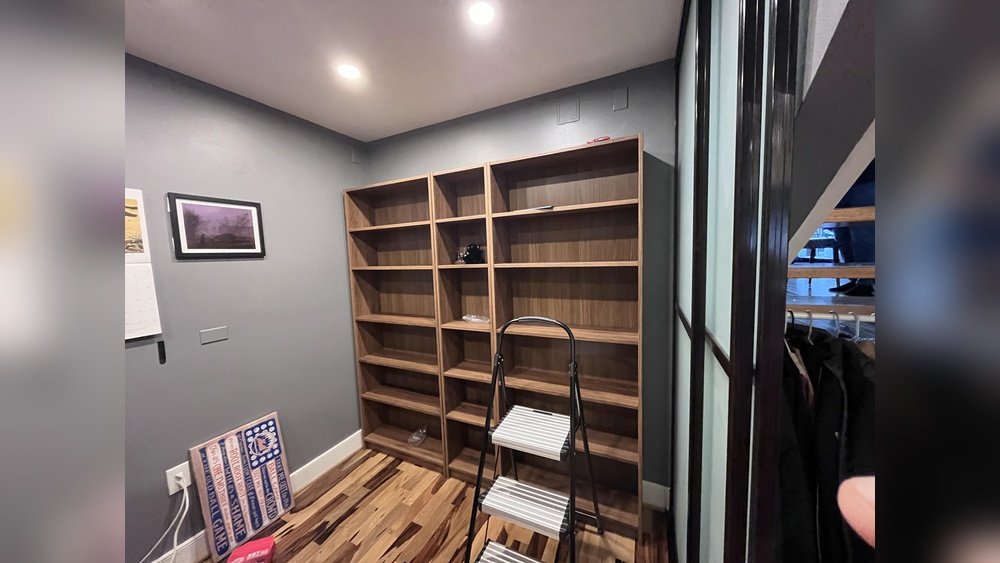
You love your bookshelf—it holds your favorite reads, cherished mementos, and adds style to your room. But what if you want to keep it safe and steady without drilling holes into your walls?
Whether you’re renting, avoiding damage, or just don’t have the right tools, securing your bookshelf without drilling is totally possible. Imagine a solution that keeps your furniture firmly in place while protecting your walls. In this guide, you’ll discover simple, effective ways to secure your bookshelf that anyone can do.
Ready to keep your space safe and stylish without a single hole? Let’s dive in!
Reasons To Avoid Drilling
Securing a bookshelf to the wall without drilling is a smart choice for many. Avoiding drilling protects walls and keeps spaces flexible. It also helps prevent damage that might be costly to fix. Understanding the reasons to avoid drilling can guide you to safer, easier solutions.
Rental Restrictions
Many rental agreements forbid drilling into walls. Landlords want to keep walls free from holes. Drilling can lead to losing security deposits. Avoiding drilling keeps your rental in good condition. It helps you follow rental rules and avoid penalties.
Wall Material Concerns
Not all walls handle drilling well. Drywall, plaster, or brick can crack or crumble. Some walls hide pipes or wires behind them. Drilling in the wrong spot can cause damage or danger. Choosing no-drill methods protects your walls and home safety.
Avoiding Permanent Damage
Drilling leaves holes that are hard to fix perfectly. Holes can weaken wall strength and look unsightly. Removing drilled anchors may tear paint or wallpaper. No-drill solutions keep walls smooth and clean. This preserves your space for future changes or moves.

Credit: www.amazon.ae
Safety First With Bookshelves
Safety is the top priority when placing bookshelves in any room. An unsecured bookshelf can tip over easily, causing damage or injury. This risk increases in homes with children or pets. Taking steps to secure your bookshelf without drilling keeps your walls intact and ensures stability. Focus on methods that prevent accidents and protect everyone in the household.
Preventing Tip-overs
Tip-overs happen when a bookshelf is not stable or overfilled at the top. Use heavy-duty adhesive strips or furniture straps designed for wall attachment. Place heavier items on lower shelves to lower the center of gravity. Secure the bookshelf to the wall using non-drill solutions like tension rods or anti-tip kits. These methods add stability without damaging walls. Always check the strength of the adhesive or strap regularly.
Protecting Children And Pets
Children and pets can accidentally pull or climb on bookshelves. This increases the chance of the shelf falling. Use corner guards to cover sharp edges and reduce injury risk. Secure loose items to prevent choking hazards. Choose furniture straps or Velcro strips that keep the shelf firmly in place. Avoid placing tempting items on low shelves that attract children or pets. Safety measures help create a secure environment for all family members.
Adhesive Solutions
Adhesive solutions offer a simple way to secure your bookshelf to the wall without drilling. These methods use strong glues or tapes to hold the furniture in place. They work best for lightweight shelves and smooth wall surfaces. Adhesives avoid damage to walls and keep your space neat.
Choosing the right adhesive depends on the bookshelf size and wall type. Some adhesives allow easy removal, while others offer stronger hold. Keep in mind that adhesives may not support heavy loads or rough handling. Still, they provide a quick, clean option for many situations.
Command Strips And Hooks
Command strips and hooks are popular for securing bookshelves without nails. They use a strong adhesive that sticks well to walls. You press the strip onto the wall and bookshelf to create a firm bond. Hooks add extra support for hanging small shelves.
These strips remove cleanly, leaving no marks or holes. They are ideal for renters or temporary setups. Make sure the surface is dry and clean before applying. Follow package instructions to ensure proper adhesion and weight limits.
Heavy-duty Double-sided Tape
Heavy-duty double-sided tape offers a quick way to stick a bookshelf to the wall. This tape is thicker and stronger than regular tape. It creates a tight grip on both the bookshelf and wall surface. Perfect for light to medium weight shelves.
Apply the tape evenly along the shelf edges touching the wall. Press firmly to secure the bond. Avoid using on rough or textured walls, as the tape may not hold well. This tape is easy to cut to size and use instantly.
Pros And Cons Of Adhesives
Adhesive solutions have clear advantages. They do not require tools or wall damage. They are easy to install and remove. Many adhesives are inexpensive and widely available.
There are some downsides to consider. Adhesives may not hold heavy bookshelves or very tall units. They work best on smooth, clean surfaces only. Some adhesives lose strength over time, especially in humid areas. Always check weight limits and test before full use.
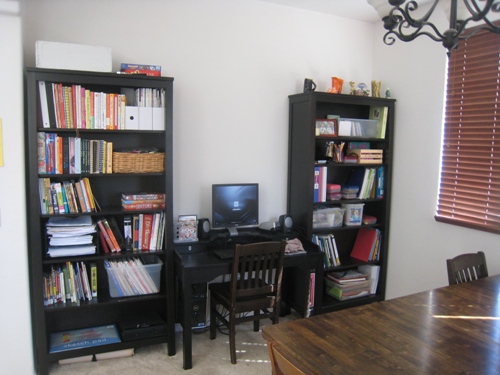
Credit: lifeasmom.com
Furniture Straps And Tethers
Furniture straps and tethers offer a safe way to secure your bookshelf without drilling holes. These devices prevent tipping by anchoring furniture firmly to the wall. They come in various styles and materials to suit different furniture types and wall surfaces.
Types Of Straps
There are nylon straps, metal tethers, and adhesive-backed options. Nylon straps are flexible and easy to adjust. Metal tethers offer strong support and durability. Adhesive-backed straps stick to the wall and furniture, avoiding screws or nails.
Installation Tips
Clean the wall and furniture surface before attaching straps. For adhesive types, press firmly and hold for 30 seconds. Use two straps for tall or heavy bookshelves to improve stability. Check the straps regularly for wear and tear to ensure safety.
Effectiveness Without Drilling
Straps and tethers can secure furniture without damage to walls. Adhesive options work well on smooth, clean surfaces. Nylon and metal straps provide extra security by fastening around furniture legs or backs. While not as strong as drilled anchors, they greatly reduce tipping risks.
Tension Rod Techniques
Tension rod techniques offer a simple way to secure a bookshelf to a wall without drilling. These rods create pressure between the floor and the ceiling or between two walls. This pressure holds the bookshelf steady and prevents it from tipping over. Tension rods are easy to install and remove, making them ideal for renters or anyone who wants to avoid wall damage.
This method works well for lightweight to medium-weight bookshelves. It provides extra stability, especially in homes with children or pets. Using tension rods can also protect your walls from holes and scratches. Below are practical steps to use and adjust tension rods effectively behind your bookshelf.
Using Tension Rods Behind Bookshelves
Place the bookshelf against the wall where you want it secured. Measure the height between the floor and ceiling or the space between two walls. Choose a tension rod slightly shorter than this height. Position the rod vertically behind the bookshelf, between the top of the bookshelf and the ceiling.
Extend the tension rod until it fits tightly. The pressure will hold the bookshelf against the wall. You can use two rods for larger or heavier bookshelves. One rod goes near the top, and another near the middle or bottom. This adds more support and prevents wobbling.
Adjusting For Stability
Test the bookshelf for any movement. Push gently to check if it rocks or shifts. Tighten the tension rods by twisting them slightly to increase pressure. Avoid over-tightening to prevent damage to walls or ceilings.
Use rubber pads or protective covers on the ends of the rods. This helps protect surfaces and improves grip. Recheck stability after a few days and adjust rods if needed. This simple adjustment keeps your bookshelf secure without drilling holes.

Credit: www.amazon.ae
Brackets And Non-drill Fasteners
Securing a bookshelf to the wall without drilling keeps walls intact and avoids damage. Brackets and non-drill fasteners offer strong, easy solutions. These options use adhesive or hook systems to hold the shelf safely. They work well for renters or anyone avoiding holes in walls. Below are popular ways to secure your bookshelf without drills.
Angle Brackets With Adhesive
Angle brackets provide solid support using strong adhesive pads. These brackets have a right-angle shape that fits between the bookshelf and wall. The adhesive sticks firmly to smooth surfaces like painted drywall or wood. No screws or drills are needed.
To install, clean the wall and bookshelf surfaces well. Peel the backing from the adhesive pads and press the bracket firmly in place. Hold for a few minutes to ensure a good bond. Attach one or two brackets near the top of the bookshelf for stability.
This method works best for lightweight shelves or small book collections. It keeps the shelf steady and prevents tipping. Check the adhesive’s weight limit and choose brackets made for heavy-duty use for more security.
Velcro And Hook Options
Velcro strips and hook fasteners offer simple, no-damage ways to secure bookshelves. Heavy-duty Velcro tape sticks to both the wall and the bookshelf. The hook and loop fasten tightly, holding the shelf in place.
Clean the wall and shelf areas before applying the Velcro strips. Press the hook side on the wall and the loop side on the shelf. Align the pieces so they connect perfectly when pushed together. This creates a strong grip that prevents movement.
Hook options include adhesive hooks or removable wall hooks. Hooks can latch onto a bracket or directly onto the bookshelf frame. They allow easy removal or repositioning without marks.
Velcro and hooks are ideal for light to medium weight shelves. They keep your bookshelf stable while protecting walls from holes or damage.
Weighting And Balancing Tricks
Weighting and balancing tricks help keep your bookshelf steady without drilling. These methods improve safety and prevent tipping. They work by lowering the center of gravity and filling gaps under the base. Simple adjustments make a big difference in stability.
Adding Weight To The Base
Place heavy items on the bottom shelf to add stability. Use books, storage boxes, or sandbags. A heavier base stops the bookshelf from tipping forward. Distribute weight evenly along the base for better balance. Avoid placing too much weight on top shelves.
Using Shims And Pads
Shims fill uneven gaps between the bookshelf and floor. Use wooden, plastic, or rubber shims. Slide them under weak points to stop wobbling. Furniture pads protect floors and add grip. Combine shims and pads to keep the bookshelf level and steady.
Materials And Tools Needed
Securing a bookshelf to the wall without drilling requires the right materials and tools. Choosing proper supplies ensures your bookshelf stays stable and safe. This section covers what you need before you start.
Using non-drill methods means relying on strong adhesives, straps, or tension devices. Each option has specific materials. Preparing everything beforehand saves time and effort.
Recommended Products
- Heavy-duty Command Strips designed for picture hanging
- Furniture straps with adhesive backing or hook-and-loop fasteners
- Anti-tip wall anchors that use adhesive pads
- Non-slip rubber pads to place under bookshelf legs
- Adjustable tension rods if using a pressure fit method
- Measuring tape for exact placement
- Level tool to keep the bookshelf straight
Safety Gear
- Protective gloves to avoid adhesive contact with skin
- Safety glasses to protect eyes from dust or accidental slips
- Knee pads if working at low heights for comfort
- Mask for dust protection when cleaning surfaces before application
Step-by-step Securing Process
Securing a bookshelf to the wall without drilling is simple and safe. Follow these easy steps to keep your bookshelf steady and protect your walls. This process uses strong adhesives or straps to hold the shelf firmly.
Preparing The Wall And Bookshelf
Start by cleaning the wall surface with a damp cloth. Remove dust and dirt to help adhesives stick well. Next, wipe the bookshelf edges that will touch the wall. Make sure the bookshelf is empty and stable. Check the wall for any bumps or uneven spots. Smooth these areas if needed for better contact.
Applying Adhesives Or Straps
Choose the right adhesive strips or furniture straps for your shelf size and weight. Attach the adhesive strips to the bookshelf back or use the straps around the shelf and wall. Press firmly to fix the adhesive strips in place. If using straps, tighten them securely but do not over-tighten. Follow the product instructions carefully for best results.
Testing Stability
After applying adhesives or straps, let them set for the time recommended by the manufacturer. Gently push the bookshelf to check if it moves. If it feels loose, add more strips or adjust the straps. Place some books on the shelf to test its weight support. Ensure the shelf stands steady without wobbling. Repeat testing after a few hours to confirm stability.
Maintenance And Checks
Securing a bookshelf to the wall without drilling requires ongoing care. Regular maintenance helps keep the bookshelf stable and safe. Small checks prevent accidents and extend the life of the adhesive products used. Follow simple steps to maintain your bookshelf’s security effectively.
Regular Safety Inspections
Check the bookshelf’s stability every few weeks. Look for any signs of movement or wobbling. Make sure the adhesive strips or hooks still hold firmly. Press gently on the bookshelf to test its grip. Watch for any cracks or damage on the wall surface. Early detection of problems keeps your shelf safe.
Replacing Adhesive Products
Adhesive strips lose strength over time. Replace them every few months or when they appear weak. Use high-quality adhesive products designed for heavy loads. Clean the wall and bookshelf surfaces before applying new adhesives. Follow the product instructions carefully for the best results. Regular replacement ensures the shelf stays securely attached without drilling.
Frequently Asked Questions
How To Anchor A Bookshelf Into A Wall?
Locate wall studs using a stud finder and mark them. Drill pilot holes into studs, then attach L-brackets to both bookshelf and wall. Secure brackets tightly. This anchors the bookshelf firmly, preventing tipping and ensuring safety.
Can You Put A Shelf On A Wall Without Drilling?
Yes, you can hang shelves without drilling using strong adhesive strips, tension rods, or freestanding shelf units. These methods avoid wall damage.
How To Attach Furniture To A Wall Without Drilling?
Use heavy-duty adhesive strips, furniture straps, or anti-tip kits to attach furniture without drilling. Ensure surfaces are clean and dry. Weight the base for extra stability. These methods protect walls and provide moderate security.
How To Stabilize A Freestanding Bookshelf?
Use metal L-brackets to attach the bookshelf to wall studs for strong support. Place heavy items on lower shelves to lower the center of gravity. Ensure the bookshelf stands on a flat, stable surface to prevent wobbling.
Conclusion
Securing your bookshelf without drilling keeps walls damage-free. Use strong adhesive strips or furniture straps for stability. Position the bookshelf carefully to avoid tipping. Check the weight limits of your chosen method. Regularly inspect the attachments to ensure safety. These simple steps help protect your books and home.
Choose the best option that fits your wall type. Enjoy a secure bookshelf without the hassle of tools. Safety and convenience can go hand in hand.