You want to brighten your windows with beautiful flower boxes, but drilling holes just isn’t an option. Maybe you’re renting, or you simply want to avoid damage to your window frames.
The good news? You don’t have to sacrifice style or greenery to keep your walls intact. In this guide, you’ll discover easy, no-drill methods to install window boxes securely and attractively. Whether you’re aiming for a burst of colorful blooms or a charming herb garden, you’ll learn tricks that save time, protect your home, and bring life to your windows.
Keep reading to find out how you can create stunning window boxes without picking up a drill!

Credit: doi-clinic.jp
No-drill Mounting Options
No-drill mounting options offer simple ways to install window boxes. These methods protect window frames and walls from damage. They also save time and effort. You can enjoy beautiful plants without the need for tools or holes.
These options work well for renters and anyone avoiding permanent changes. Each method provides a secure hold while keeping your window area neat. Choose the best fit based on your window type and box size.
Adhesive Hooks And Strips
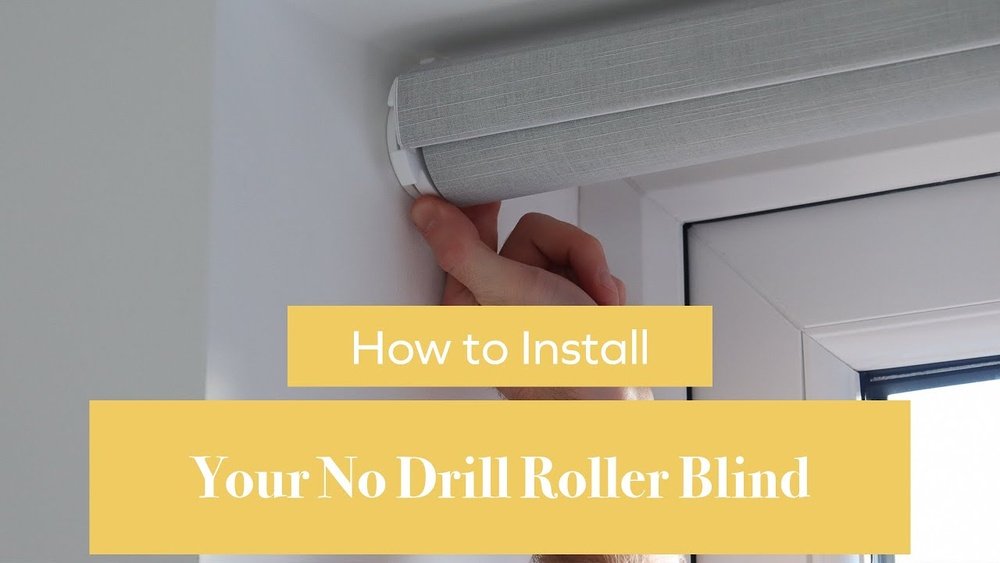
Adhesive hooks and strips stick firmly to smooth surfaces. They hold lightweight window boxes without leaving marks. Clean the window frame before applying for a strong grip. Choose hooks rated to support the weight of your box and soil.
This method is quick and leaves no holes. Replace hooks easily if you want to change your display. Keep in mind, heavy boxes need stronger support than adhesive hooks can offer.
Clamp-on Holders
Clamp-on holders attach directly to the window frame. They use pressure to hold boxes without screws. These holders fit many window styles and provide sturdy support. The clamps protect frames from scratches with rubber padding.
Clamp-on holders work well for medium to large window boxes. They allow easy removal for cleaning or replanting. This method keeps your window frame intact and your plants secure.
Window Sill Brackets
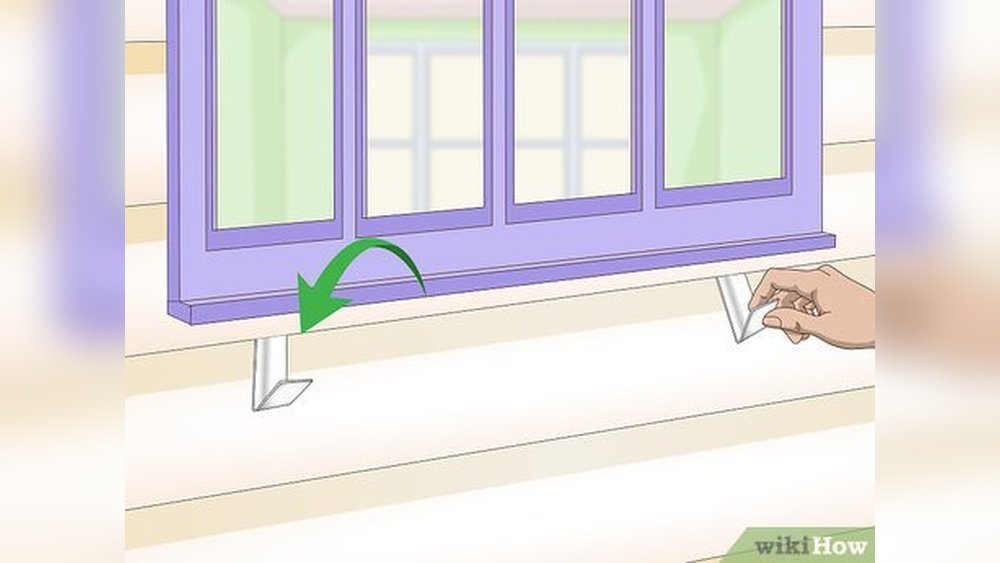
Window sill brackets rest on the sill and support the box from below. They do not require drilling or adhesive. These brackets come in metal or plastic and fit different sill depths.
This option is ideal for heavier boxes and larger plants. The brackets provide stability while allowing airflow around plants. They also prevent water damage by keeping boxes off the window surface.

Credit: emtw.co
Choosing The Right Window Box
Choosing the right window box is key to a successful installation without drilling. The right box must fit your window space and hold your plants safely. It must also withstand outdoor conditions. Consider material, size, and weather resistance carefully. These factors help you pick a box that lasts and looks great.
Material Considerations
Window boxes come in wood, plastic, metal, and resin. Wood looks natural but needs sealing to prevent rot. Plastic is lightweight and easy to clean. Metal offers strength but can rust if not coated. Resin is durable and weatherproof. Choose a material that matches your style and care ability.
Size And Weight Factors
Measure your window sill before buying a box. The box should not be too wide or heavy. Heavy boxes may need extra support. A lightweight box is easier to hang without drilling. Also, consider the depth for plant roots. A shallow box limits plant choices.
Weather Resistance
Window boxes face rain, sun, and wind. Select boxes with good weather resistance. Plastic and resin handle moisture well. Wood needs protective coatings to last outdoors. Metal should be rustproof or painted. Weather-resistant boxes keep plants safe and look good year-round.
Preparing Your Window Area
Preparing your window area is the first step to install window boxes without drilling. A clean and well-measured space ensures a secure fit. Knowing your window frame type helps choose the right mounting method. These simple preparations save time and prevent damage.
Cleaning Surfaces
Start by removing dust and dirt from the window sill and frame. Use a mild soap and water solution for cleaning. Dry the surfaces completely before proceeding. Clean surfaces help adhesives or clamps stick better. Avoid using oily or waxy cleaners.
Measuring For Fit
Measure the width of your window sill carefully. Use a tape measure and note the exact length in inches or centimeters. Check the depth and height of the sill as well. Proper measurements prevent the box from sliding or falling. Write down all measurements for reference.
Checking Window Frame Type
Identify if your window frame is wood, metal, vinyl, or aluminum. Different frames need different mounting options. Vinyl and aluminum frames often require special clamps or adhesive strips. Wood frames might hold clips better but avoid drilling. Knowing the frame type guides your installation choices.
Installing With Adhesive Solutions
Installing window boxes without drilling offers a clean and damage-free way to decorate your windows. Adhesive solutions provide strong hold without holes or screws. These adhesives are ideal for renters or anyone avoiding permanent changes.
Using adhesives requires careful selection and proper application. The right adhesive will hold the box securely and last through weather changes. Follow steps to ensure a safe and neat installation.
Selecting Strong Adhesives
Choose adhesives designed for outdoor use and heavy-duty bonding. Look for waterproof and UV-resistant options. Construction adhesives, heavy-duty mounting tapes, and specialized outdoor glues work well.
Check the adhesive label for weight limits and surface compatibility. Make sure it sticks well to your window frame material. Avoid adhesives that may damage paint or wood.
Step-by-step Application
Clean the window sill or frame thoroughly. Remove dust, dirt, and grease with rubbing alcohol. Dry the surface completely before applying adhesive.
Cut the adhesive tape or apply glue evenly on the box’s contact points. Press the box firmly against the window frame. Hold it in place for the time the product instructions recommend.
Apply pressure evenly to avoid gaps or weak spots. Avoid disturbing the box during the initial setting period to ensure a strong bond.
Curing And Weight Limits
Allow the adhesive to cure fully before adding plants or soil. Curing time varies but usually takes 24 to 48 hours. Check the product details for exact times.
Do not exceed the adhesive’s weight limit. Use lightweight pots and soil to prevent falls. Consider emptying the box before heavy rain or strong wind.
Regularly inspect the adhesive bond. Replace or reinforce if you notice any loosening or damage. This keeps your window box safe and secure.
Using Clamp And Hook Systems
Using clamp and hook systems offers a simple way to install window boxes without drilling holes. These systems hold the boxes securely on window sills or frames. They protect the structure from damage. The installation is quick and requires no special tools. This method suits renters and anyone avoiding permanent changes. Below are details about types, attachment, and stability.
Types Of Clamps Available
There are several clamp styles for window boxes. C-clamps grip the window sill tightly. Spring clamps use tension to hold the box. Hook clamps hang over the window frame edge. Some clamps have rubber pads to prevent scratches. Choose clamps based on sill thickness and material. Metal and plastic clamps are common choices. Each type fits different window designs.
Proper Attachment Techniques
Start by measuring the window sill width. Select clamps that fit snugly without force. Place the clamp on the sill edge. Tighten screws or springs to secure it. Attach the hook or bracket to the box. Hang the box on the clamp’s hook carefully. Check for even placement and level balance. Avoid overtightening, which can damage the sill. Follow product instructions for best results.
Ensuring Stability
Test the box’s hold by gently pushing it side to side. Add extra clamps for wider or heavier boxes. Use rubber pads between clamp and sill to reduce slipping. Avoid placing heavy soil or plants on one side. Regularly check clamps for loosening. Tighten clamps if needed after weather changes. Stability keeps plants safe and prevents accidents.
Alternative Window Box Ideas
Alternative window box ideas offer creative ways to decorate your windows without drilling. These options help keep your walls intact while still adding charm and greenery. Each method suits different styles and needs. Choose one that fits your space and lifestyle.
Freestanding Planters
Freestanding planters sit on the window sill or nearby surfaces. They do not need mounting and are easy to move. Choose lightweight pots for easy handling. Grouping several planters creates a lush, layered look. They work well for flowers, herbs, or small shrubs.
Repurposed Containers
Use old containers to hold plants near your window. Wooden crates, tin cans, or baskets add rustic charm. Paint or line them to protect from water damage. Repurposed containers bring unique style and personality. They fit perfectly without any need for drilling.
Artificial Plant Displays
Artificial plants give year-round color without maintenance. Place them in decorative pots or trays. They are perfect for spaces with little sunlight. Choose realistic designs for natural appeal. Artificial displays brighten your windows without any hassle.
Plant Selection Tips
Choosing the right plants for your window boxes is key to creating a beautiful and lasting display. Plant selection depends on the amount of sunlight your window receives and how much care you want to give. Picking suitable plants makes your no-drill window box stand out and thrive.
Low-maintenance Choices
Opt for plants that need little water and care. Succulents like Sedum and Echeveria do well in sunny spots. They store water in their leaves, so they survive dry periods. Herbs such as lavender and rosemary also require minimal attention. These plants add fragrance and can be used in cooking. Choose tough plants for easy care and lasting beauty.
Seasonal Planting Ideas
Change your window box plants with the seasons to keep colors fresh. In spring, try pansies and tulips for bright blooms. Summer favors petunias and marigolds, which handle heat well. For fall, mums and ornamental kale offer rich colors. Winter boxes can include evergreen branches and berries. Seasonal planting keeps your window box attractive year-round.
Combining Thrillers, Fillers, And Spillers
Use the classic planting method to create balance and interest. Thrillers are tall plants that add height, like snapdragons or small grasses. Fillers are medium plants that fill space, such as petunias or geraniums. Spillers are trailing plants that hang over the edge, like ivy or sweet potato vine. Mixing these types creates a full and dynamic look.
Maintaining Your Window Box
Maintaining your window box ensures your plants stay healthy and your home looks fresh. Proper care helps your flowers thrive without damage to your window or walls. Simple steps keep your setup neat and long-lasting.
Watering Without Mess
Use a watering can with a narrow spout for control. Water slowly to avoid overflow or spills. Place a small tray inside the window box to catch extra water. Check drainage holes regularly to prevent water buildup. Avoid watering in strong wind to reduce splashing.
Protecting Surfaces
Place rubber or felt pads under your window box to stop scratches. Use waterproof liners inside the box to protect wood and metal. Clean the window sill and surrounding area often to prevent mold. Avoid heavy boxes on weak window sills to prevent damage. Remove the box gently when needed to avoid chipping paint.
Seasonal Care
Change plants according to the season for best growth. Remove dead leaves and flowers to keep plants healthy. In winter, bring sensitive plants indoors or cover them. Clean the box thoroughly before replanting in spring. Check for pests and treat early to avoid spread.
Avoiding Common Installation Mistakes
Avoiding common mistakes ensures your no-drill window box installation lasts long and looks great. Simple errors can cause damage or make boxes fall. Careful planning and proper steps help keep plants safe and your home intact.
Overloading Boxes
Do not put too much weight in window boxes. Heavy soil and large plants can cause boxes to fall. Choose lightweight soil and small plants for better support. Check the weight limits of your no-drill holders before adding plants.
Ignoring Weather Effects
Weather can affect window boxes. Strong wind may knock them off if not secured well. Rain can add extra weight to soil and plants. Use water-resistant holders and secure boxes tightly to prevent damage.
Poor Surface Preparation
Clean the surface before attaching window boxes. Dirt, dust, or grease can reduce grip strength. Wipe the window sill or frame with a damp cloth and let dry. A clean surface helps holders stick better and hold boxes firmly.

Credit: www.wikihow.com
Frequently Asked Questions
How To Secure Planter On Window Sill Without Drilling?
Secure a planter on a window sill without drilling by using adhesive hooks or clamp-on flower box holders. Choose self-adhesive adapters or holders that clamp onto the window frame for stability. This method protects surfaces and keeps your planter safely in place without damaging walls.
What Is An Alternative To A Window Box?
An alternative to a window box includes hanging planters, railing planters, or repurposed containers like wooden crates. Use wall-mounted pots or no-drill flower box holders for easy installation. Choose succulent gardens, herb mixes, or seasonal decor for variety and style.
What To Put In The Bottom Of A Window Box?
Place a layer of gravel or small stones at the bottom for drainage. Add a liner to protect the box. Then fill with quality potting soil for healthy plant growth.
How Do I Attach Window Boxes?
Attach window boxes by securing brackets to the window sill or wall using screws or adhesive hooks. Ensure they are level and stable before placing the box. Use no-drill holders or clamps for damage-free installation on window frames.
Conclusion
Installing window boxes without drilling keeps your walls safe and clean. Use clamps, adhesive hooks, or window sill brackets for easy setup. Choose a method that fits your window type and box size. Secure installation helps your plants stay safe during wind or rain.
Enjoy the beauty of flowers without damaging your home. Try these simple steps for a fresh, charming look today.