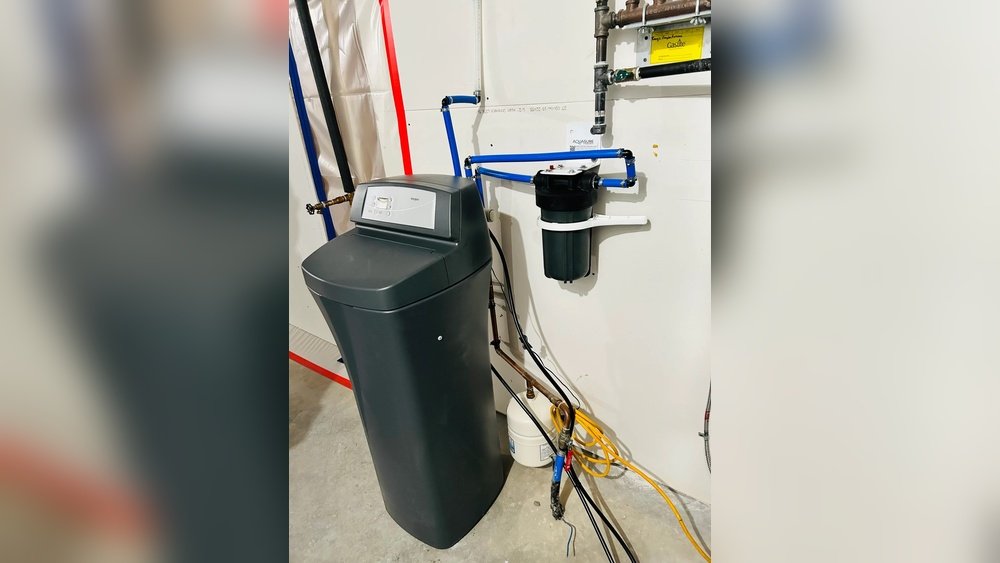
Imagine stepping into your home and instantly feeling the difference in your water—softer on your skin, gentler on your clothes, and kinder to your plumbing. If you’ve ever dealt with hard water issues like spots on dishes, dry skin, or clogged pipes, a whole house water softener could be the simple solution you need.
This system works quietly behind the scenes, improving every drop of water that flows through your taps. Curious about how it can benefit your home and daily life? Keep reading to discover why investing in a whole house water softener might be one of the smartest choices you make for your health, comfort, and wallet.
Advantages For Appliances
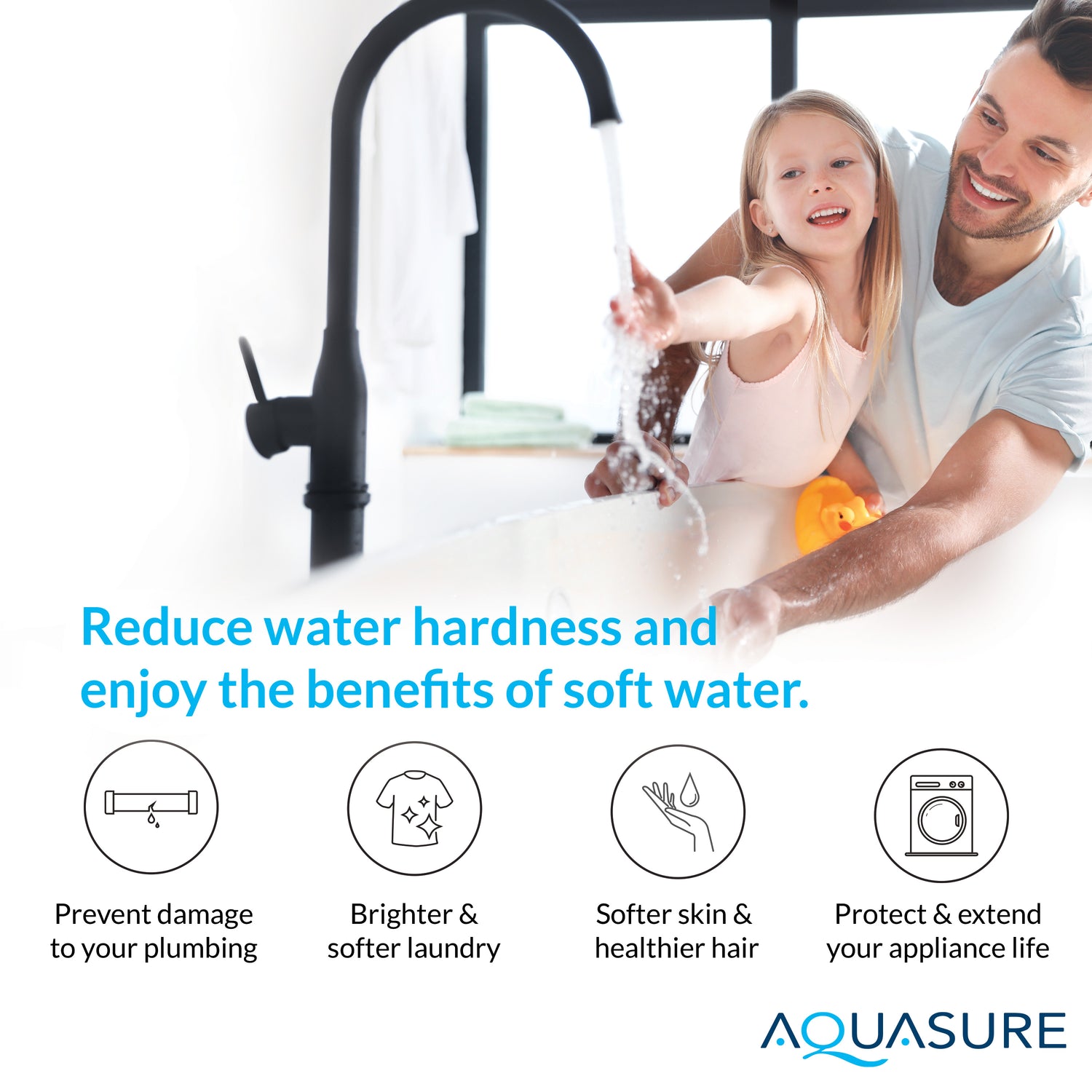
Whole house water softeners offer many benefits for your home appliances. Hard water causes mineral buildup, which harms appliances over time. Softened water protects appliances by reducing scale and deposits. This protection helps appliances run smoothly and last longer.
Extend Appliance Lifespan
Hard water minerals cause wear and tear inside appliances. Water softeners reduce this damage by removing minerals like calcium and magnesium. This means your dishwasher, washing machine, and water heater last longer. Fewer breakdowns happen because parts stay cleaner and work better.
Improve Efficiency
Mineral buildup lowers appliance performance. Soft water stops scale from forming on heating elements and pipes. Appliances use less energy to heat or clean. This leads to faster cycles and better cleaning results. You save money on electricity and water bills.
Reduce Repair Costs
Soft water lowers the chance of clogs and corrosion. Appliances need fewer repairs because parts do not get damaged easily. You spend less on service calls and replacement parts. Softening water protects your investment and cuts maintenance expenses.
Credit: aquasureusa.com
Benefits For Plumbing
The plumbing system benefits greatly from a whole house water softener. Hard water causes mineral buildup inside pipes and fixtures. This buildup reduces water flow and damages plumbing over time. Installing a water softener helps keep pipes clean and functioning well. It also lowers the need for frequent repairs and maintenance.
Prevent Scale Buildup
Hard water contains minerals that cause scale buildup in pipes. Scale narrows the pipe diameter and blocks water flow. A water softener removes these minerals, stopping scale from forming. This keeps your plumbing clear and efficient. Clean pipes mean better water pressure throughout your home.
Protect Pipes And Fixtures
Mineral deposits can corrode pipes and damage fixtures. Soft water reduces this risk by preventing deposits. Pipes last longer and stay stronger with soft water. Fixtures like faucets and showerheads also stay cleaner and work better. Protecting your plumbing saves money on replacements.
Lower Maintenance Needs
Soft water means fewer plumbing problems to fix. Without scale buildup, pipes need less cleaning and repair. Water heaters and appliances also require less maintenance. This cuts down on costly service calls. A whole house water softener helps keep your plumbing system low-maintenance and reliable.
Impact On Skin And Hair
Hard water can affect your skin and hair daily. Minerals like calcium and magnesium leave a rough residue. This residue causes dryness, irritation, and dullness. A whole house water softener changes hard water into soft water. This change helps protect your skin and hair. Soft water feels gentler and improves health and appearance.
Softer Skin Feel
Soft water removes harsh minerals from your skin. It helps skin feel smoother and cleaner. The soft water allows soaps to rinse off better. No sticky residue remains after washing. This leads to less dryness and tightness. Softer skin feels more comfortable and fresh all day.
Improve Hair Texture
Soft water helps hair stay softer and shinier. Hard water minerals can make hair stiff and dull. Soft water allows shampoo to work better. Hair cleans more deeply and feels lighter. It reduces build-up that can cause hair to look lifeless. Hair looks healthier with more natural shine and bounce.
Reduce Dryness And Irritation
Soft water reduces skin and scalp irritation. Hard water can cause itching and redness. Soft water is gentle and soothing on sensitive skin. It helps keep the natural oils that protect skin and hair. This lowers dryness and prevents flaky scalp problems. Comfort improves with fewer skin issues.

Credit: waterchef.com
Household Cleaning Benefits
Whole house water softeners improve household cleaning in many ways. They reduce hard water problems that make cleaning difficult. Soft water enhances the effectiveness of soaps and detergents. It also helps keep dishes and glassware spotless. Cleaning chores become quicker and easier with softened water.
Better Soap And Detergent Performance
Soft water allows soap to lather more easily. It reduces soap scum and residue on surfaces. Detergents work better, so you need less product. Clothes come out cleaner and brighter after washing. Soft water helps shampoos and body washes rinse off fully.
Spot-free Dishes And Glassware
Hard water leaves spots and streaks on dishes. Soft water prevents mineral buildup on glassware. Your cups and plates look cleaner and shinier. No more scrubbing to remove hard water stains. Soft water keeps your dishwasher running efficiently.
Easier Cleaning Routines
Soft water cuts down on grime and soap scum. Bathrooms and kitchens stay cleaner longer. You spend less time scrubbing sinks, tubs, and tiles. Cleaning products rinse off easily without leaving film. Soft water helps maintain shiny fixtures and surfaces.
Environmental Considerations
Considering environmental factors is important when choosing a whole house water softener. These systems impact water use and local ecosystems. Awareness helps reduce negative effects and promote sustainability.
Water Usage In Regeneration
Water softeners use water to clean their resin beads during regeneration. This process can use 20 to 50 gallons of water each cycle. Frequent regeneration increases water consumption. Using a softener with a demand-initiated regeneration system saves water. It only regenerates when necessary, cutting down waste.
Salt Discharge Effects
Salt is essential for the softening process but creates salty wastewater. This brine discharge can harm plants and aquatic life. It may also disrupt septic systems and groundwater quality. Some cities limit or ban salt-based softeners. Proper disposal and using salt-efficient models help reduce environmental damage.
Alternatives And Eco-friendly Options
Salt-free water conditioners offer a greener choice. They reduce scale without adding salt or wasting water. Magnetic and electronic water conditioners use less energy and no chemicals. Choose certified eco-friendly systems for lower environmental impact. Combining softeners with water-saving fixtures maximizes benefits.
Credit: aquasureusa.com
Health Factors
Softened water reduces mineral buildup, which can improve skin and hair health. It also helps prevent dry, itchy skin caused by hard water. Drinking softened water may be gentler on plumbing and appliances, supporting overall home water quality.
Sodium Levels In Softened Water
Whole house water softeners use salt to remove hardness minerals. This process adds small amounts of sodium to the water. For most people, this sodium level is safe. Those with heart problems or on low-sodium diets should be cautious. They may want to test their water or consult a doctor. Sodium in softened water usually stays below health limits set by authorities.
Mineral Content Changes
Water softeners remove calcium and magnesium, which cause hardness. These minerals are also important for health. Softened water lacks these beneficial minerals. Drinking softened water may reduce your daily intake of calcium and magnesium. You can get these minerals from food or supplements instead. Some people prefer to soften only hot water or use separate drinking water filters.
Considerations For Sensitive Individuals
People with sensitive skin may notice a slippery or slimy feeling after using soft water. This happens because softened water reacts differently with soap. It rinses off cleaner but feels different on skin and hair. Some may find this uncomfortable or irritating. Also, softened water can corrode old pipes, which may release metals like lead or copper. Testing water quality regularly helps protect your health.
Installation And Maintenance
Installing and maintaining a whole house water softener is simple with the right knowledge. Proper setup ensures smooth operation and long-term benefits. Regular care keeps the system efficient and prevents problems. Below are key aspects to consider for installation and maintenance.
Space Requirements
Whole house water softeners need a dedicated space near your main water line. They are usually installed in basements, garages, or utility rooms. The system size varies but often requires around 3 to 5 feet of floor space. Leave extra room for salt storage and easy access. Proper ventilation is important to avoid moisture buildup. Check the area for easy plumbing connections and electrical outlets.
Salt Refilling Routine
Salt refilling is essential for softener function. The brine tank holds salt pellets or crystals used to regenerate the resin beads. Check salt levels monthly to prevent the system from running out. Use high-quality salt to avoid buildup and blockages. Keep the tank clean and free from debris. Refilling salt is a simple task that anyone can do with minimal effort. Regular refills help maintain soft water quality and system efficiency.
Professional Servicing Needs
Occasional professional servicing ensures your softener works well. Technicians can inspect and clean internal parts, check the resin condition, and adjust settings. Servicing every 1 to 2 years helps spot issues early and extends system life. Professionals can also test water hardness and make sure the softener meets your needs. While many tasks are DIY-friendly, expert help guarantees optimal performance and peace of mind.
Potential Drawbacks
Whole house water softeners offer many benefits but also come with some drawbacks. Understanding these potential downsides helps you make an informed choice. These issues range from water feel changes to possible damage to plumbing. Being aware of these points ensures better management of your water system.
Slippery Water Sensation
Softened water often feels slippery or slick on skin. Some people find this sensation unpleasant. The softness comes from removing hardness minerals like calcium. This change can make soap rinse off differently. It may leave a slimy feeling after washing.
Corrosion Risks
Soft water can cause pipes to corrode over time. The process may leach metals such as lead and copper. This risk is higher in old plumbing systems. Corrosion can reduce pipe lifespan and affect water quality. Regular checks help detect any early signs of damage.
Limited Contaminant Removal
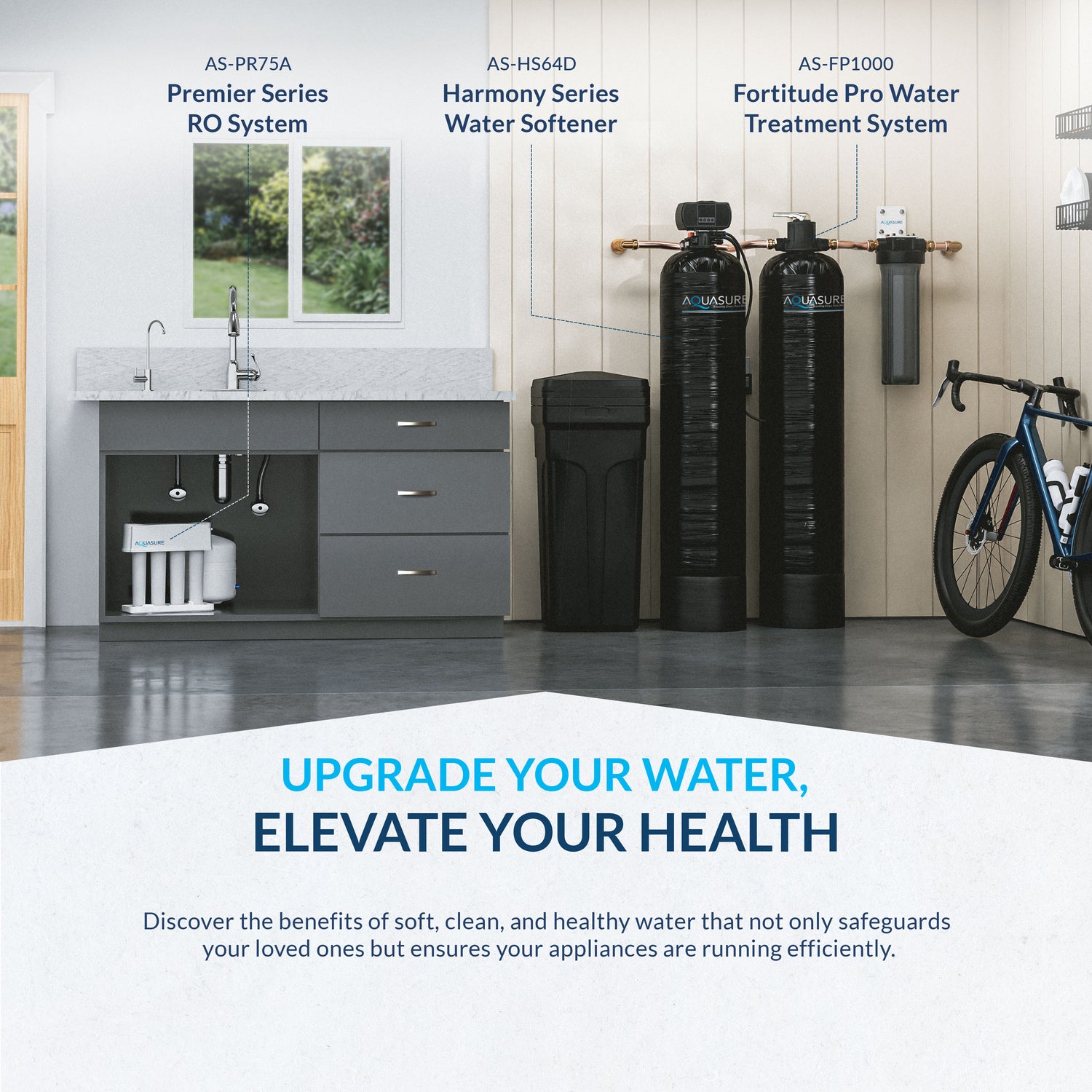
Water softeners only remove hardness minerals. They do not filter out bacteria, viruses, or chemicals. Other water contaminants may remain in your supply. Additional filtration systems are needed for full water purification. Knowing this limitation helps set realistic expectations.
Frequently Asked Questions
What Are The Downsides Of A Water Softener?
Water softeners add sodium, require salt refills, waste water, may corrode pipes, remove beneficial minerals, and can feel slippery on skin.
Is It Healthier To Drink Hard Or Soft Water?
Soft water reduces scale buildup but adds sodium, which may affect heart health. Hard water provides beneficial minerals like calcium and magnesium. Drinking either depends on personal health needs and water quality. Generally, moderate hard water supports mineral intake without added sodium risks.
Do Water Softeners Make Your Water Bill Go Up?
Water softeners slightly increase your water bill due to salt refills, electricity, and water used during regeneration cycles.
Do I Really Need A Whole House Water Filtration System?
A whole house water filtration system improves water quality, removes contaminants, protects plumbing, and enhances health and appliance lifespan.
Conclusion
A whole house water softener improves water quality throughout your home. It protects pipes and appliances from damage caused by hard water. Softer water helps your skin and hair feel smoother. It also reduces soap and detergent use, saving money over time.
Regular maintenance and salt refills are needed to keep it working well. While it adds some sodium, many find the benefits worth it. Clean, soft water makes daily tasks easier and more enjoyable. Consider these benefits when deciding on a water softening system.